
Last updated November 15, 2026
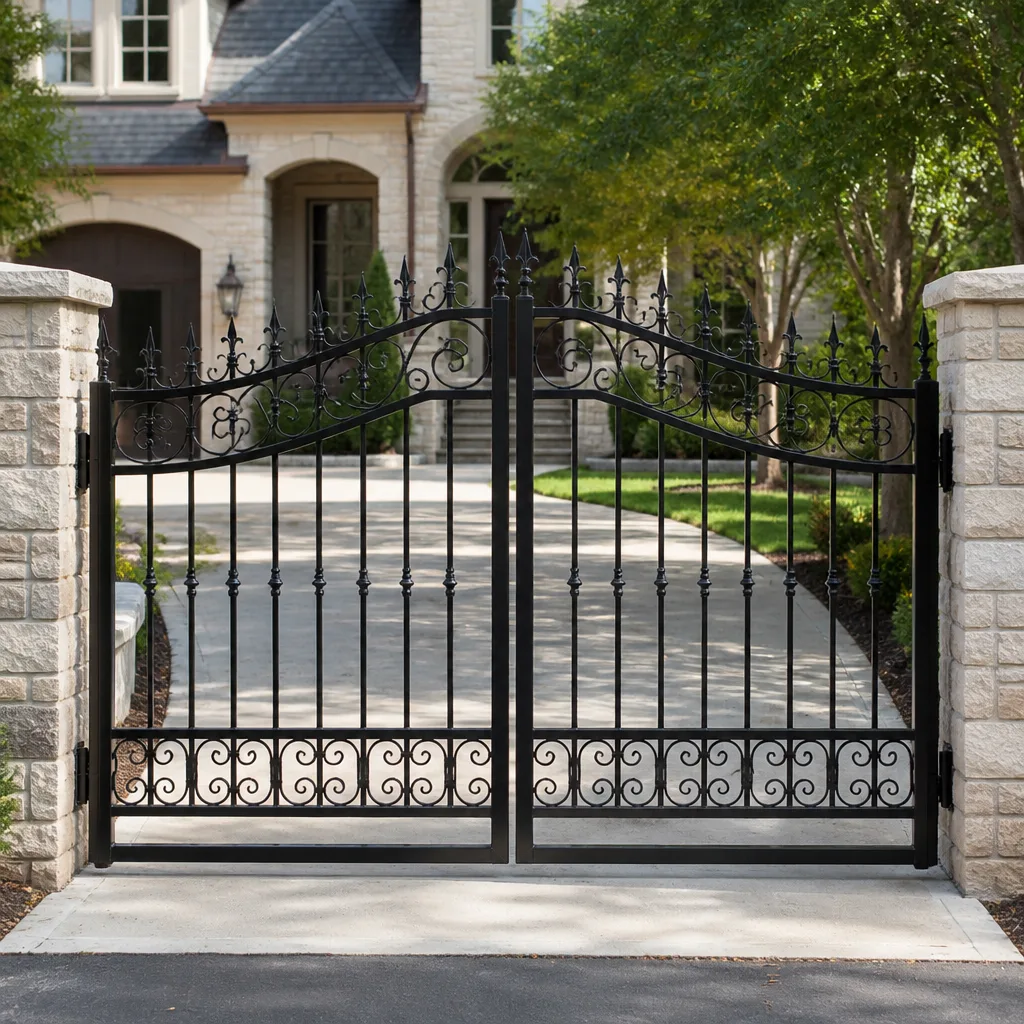 Wrought iron
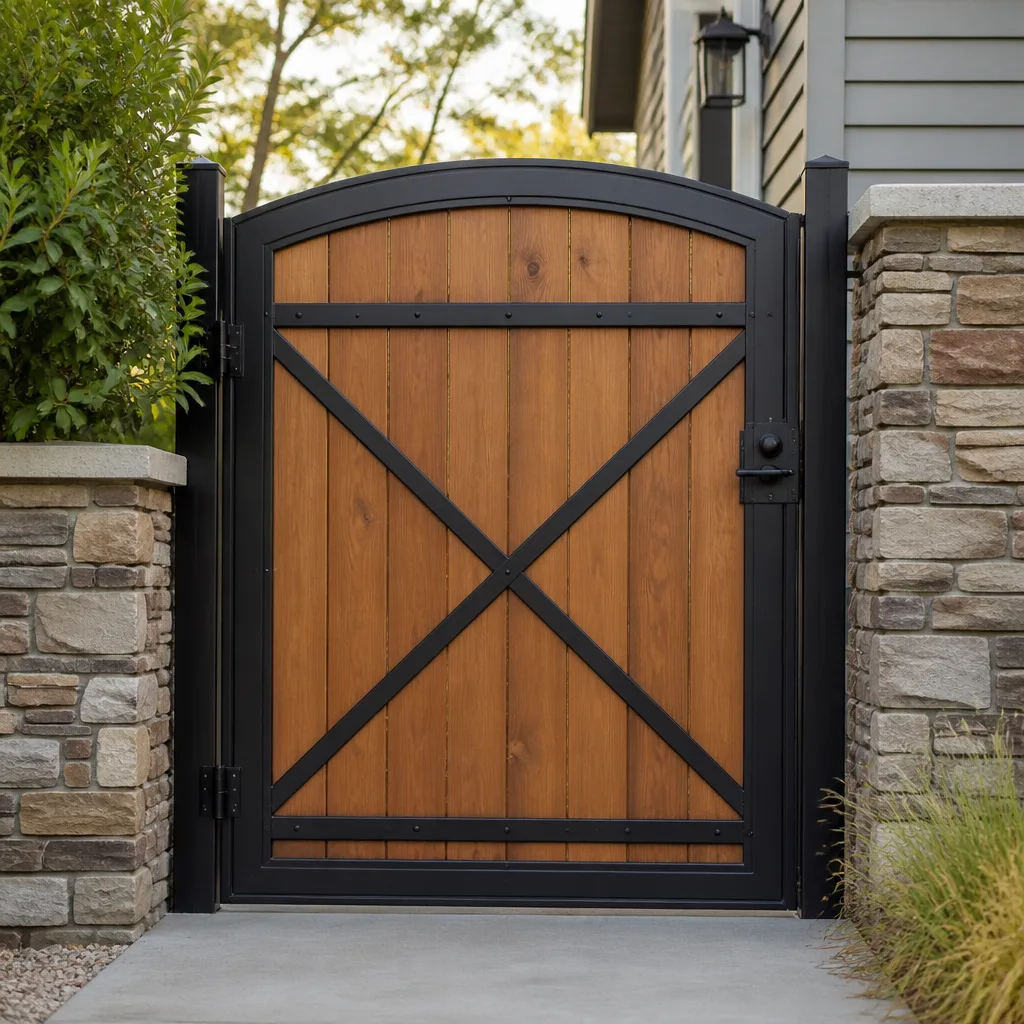 Wood & steel frame
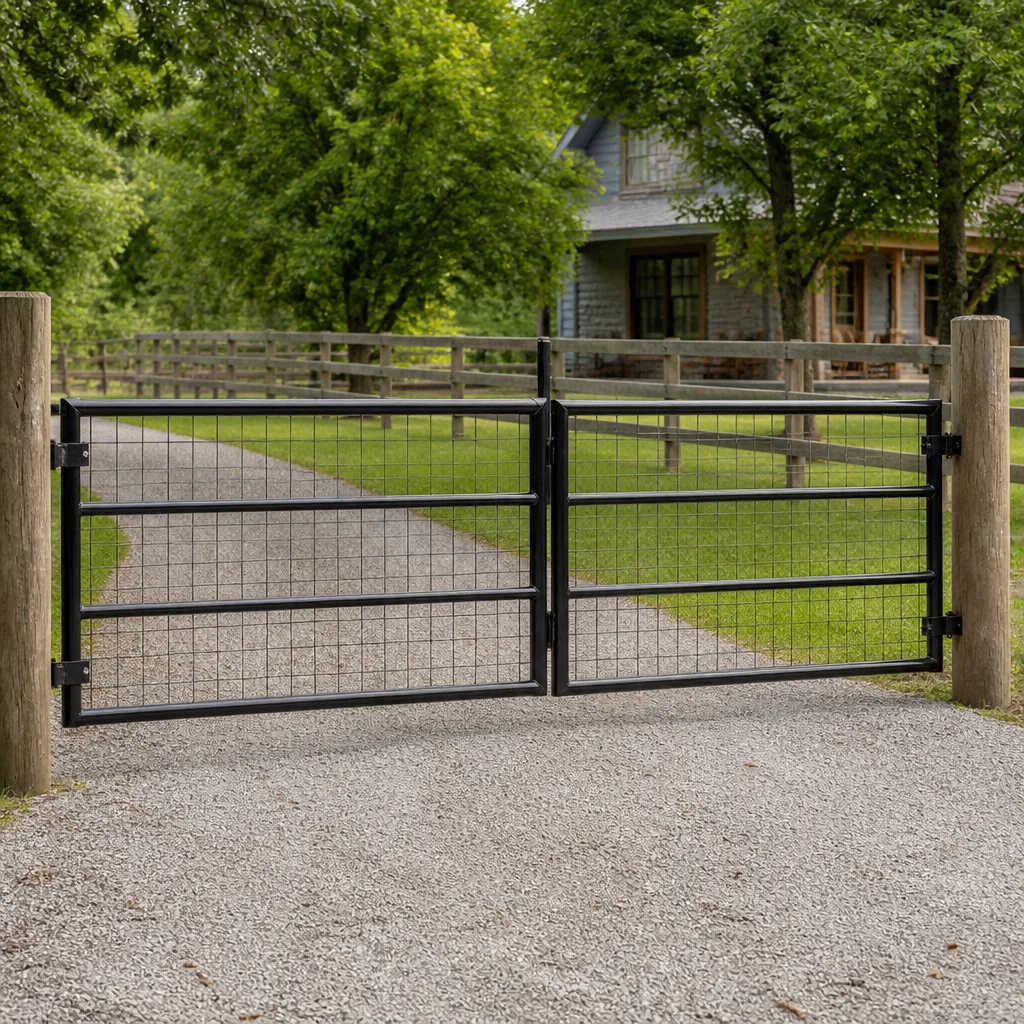 Farm & ranch
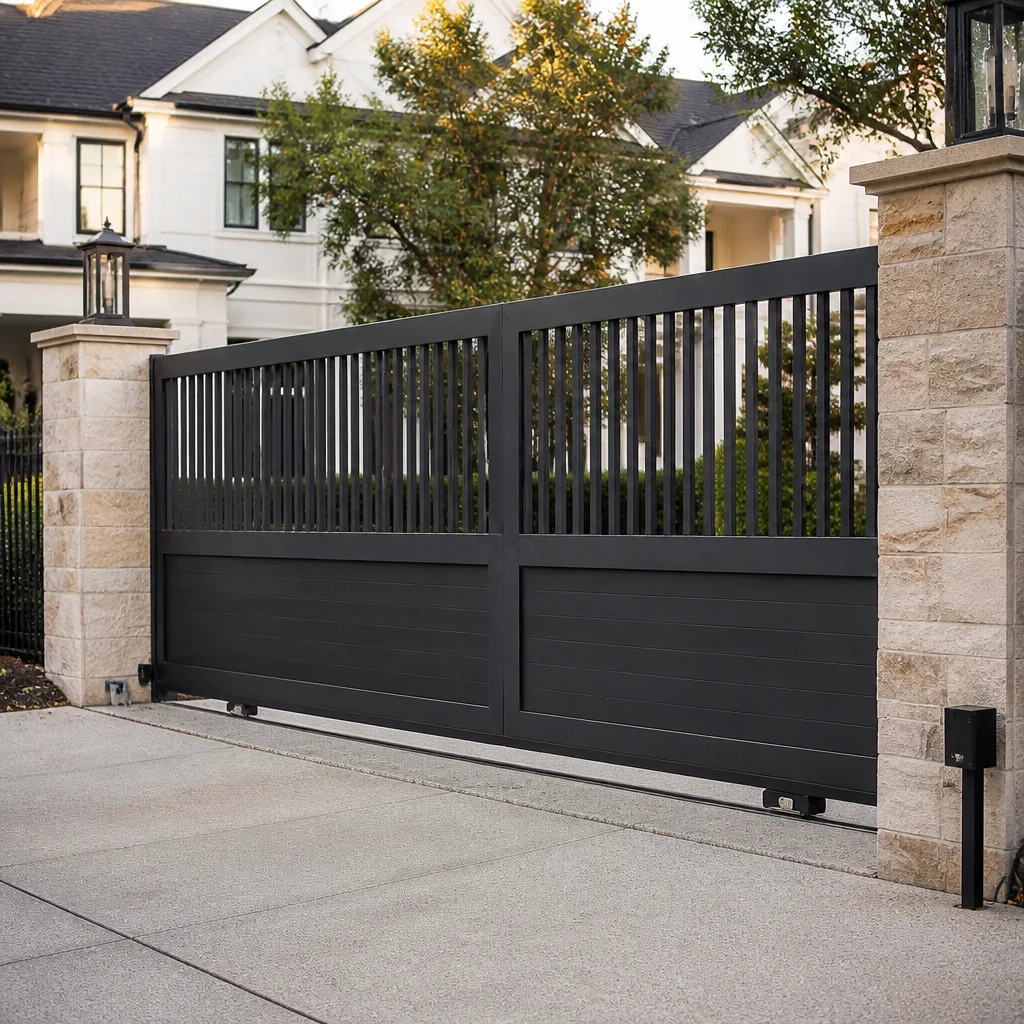 Sliding driveway gates
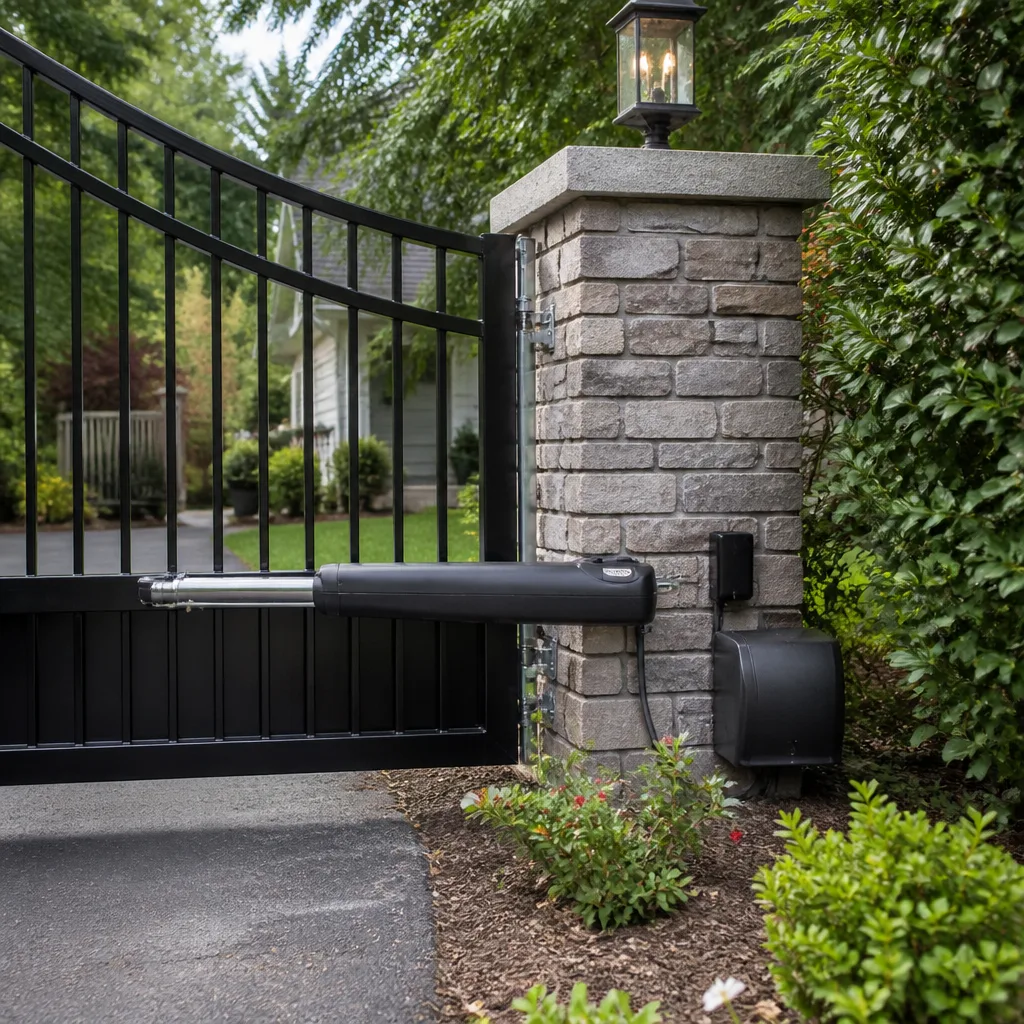 LiftMaster operators
Free on-site gate assessment - hinges, posts, and your LiftMaster or Nice gate operator checked before anything is quoted
The assessment is free and the quote is the invoice.
Get your free estimateChoosing the Right Gate Repair Brand: A Buyer’s Guide for Renton
Most gate operator buyers start with the spec sheet. They compare horsepower, opening speed, leaf weight ratings, and warranty language, then pick the brand that wins on paper. That’s backwards. A gate operator is a mechanical and electronic system that will eventually need a control board, a motor, a limit switch, or a loop detector replaced. The spec sheet doesn’t tell you whether the local technician pool knows the board architecture, whether parts sit on a Renton shelf or a warehouse in another state, or whether the brand lets an independent shop work on it at all. This guide covers how to evaluate operator brands on service-network depth rather than features alone, and it’s written from what we see as a gate-systems specialist working in Renton. You’ll learn how to pick a brand you can actually keep running.
Quick Answer
The right gate operator brand in Renton is the one with a trained technician who can reach your property and get parts without waiting weeks. That means evaluating three things before spec sheets: whether the brand uses proprietary control boards that lock out independent service, whether your gate type (sliding vs. swing, single vs. dual leaf) rules the brand in or out, and whether common failure parts are actually stocked in the local supply chain. A great operator with no local repair support becomes unrepairable when its board fails.
Styles & brands we work with
- Wrought iron
- Wood & steel frame
- Farm & ranch
- Sliding driveway gates
- LiftMaster operators
Table of Contents
- Why Service Network Depth Matters More Than Spec Sheets
- The Brand Landscape: How the Nine Major Operators Differ
- Proprietary vs. Open-Architecture Boards
- How Gate Type Narrows Your Brand Choice
- Parts Lead Times: What “In Stock” Actually Means
- Total Cost of Ownership Over Ten Years
- A Step-by-Step Brand Selection Checklist
- Common Mistakes to Avoid
- When to Call a Professional
Why Service Network Depth Matters More Than Spec Sheets
An operator only matters if someone can service it. On a spec sheet, a BFT or FAAC operator may look like the obvious choice: heavy-duty actuators, smooth swing cycles, a reputation for durability on commercial swing gates. But if the nearest technician trained on that specific control board is across the water and the part you need is backordered, you’re sitting behind a broken gate for weeks. That gap between specs and reality is the single biggest mistake we see buyers make.
Service network depth in the Renton area comes down to two things: technician density and parts availability. Technician density means how many people in the local gate trade have hands-on hours with a given brand’s board, not just its name. Parts availability means whether common failure components (boards, motors, limit switches, photo-eye assemblies) sit close enough in the supply chain that swap-outs happen on a normal service schedule rather than a wait-and-see basis.
Some brands are well-represented because they’re common on residential driveways and commercial entries throughout Renton. LiftMaster, Linear, and DoorKing tend to have deeper local coverage because their install base is dense. Other brands like FAAC and BFT are excellent systems but require a narrower set of specialists, which shortens the list of options when a board fails. This isn’t a knock on those brands. It’s an honest map of what to expect when your gate goes down.
The lesson is to evaluate operator brands as service commitments, not just hardware purchases. When you choose a brand, you’re choosing the pool of technicians who can diagnose it, the supply chain that can feed it parts, and the speed at which your gate can come back online. That’s a repair-network question, and it’s the one that matters most in the Renton market.
The Brand Landscape: How the Nine Major Operators Differ
We work across nine of the most widely installed gate-operator brands: LiftMaster, FAAC, BFT, Linear, Viking, Ghost Controls, DoorKing, Elite, and Mighty Mule. They are not interchangeable. Each brand sits in a slightly different place in the market, and knowing where a brand fits tells you a lot about what its ownership experience will feel like in Renton.
Residential-leaning brands. Mighty Mule and Ghost Controls are common on residential driveways where a straightforward swing or sliding gate runs a few times a day. They’re simpler systems, and the boards tend to be friendlier to independent service. If you’re a homeowner with a single driveway gate and no commercial traffic, these brands make sense as long as the installer sized the actuator to the leaf weight and cycle count.
Residential-to-mid commercial. LiftMaster, Linear, Elite, and Viking sit in a wide middle band. They’re strong choices for HOA entries, rental properties, and mid-size residential gates. Their parts ecosystem is broader because so many units are installed, which usually means faster substitutions when an assembly fails.
Commercial and multi-tenant specialists. DoorKing, FAAC, and BFT lean heavily toward commercial swing gates, apartment entrances, and multi-tenant access drives. They’re built for cycle volume and heavier leaves, which is exactly what you want on an entrance used hundreds of times a day. The trade-off is that fewer technicians locally carry the specific diagnostic tools and board familiarity those systems need.
In our experience working across all nine, the practical takeaway is this: the brand should match the gate’s use profile, and the technician you choose should be fluent in that brand. A homeowner with a small swing gate and a commercial property manager with a 400-unit entry drive should not be evaluating the same brand short-list.
Proprietary vs. Open-Architecture Boards
This is the detail buyers almost never think about until it’s already a problem. Some operators use open-architecture control boards that any trained technician can diagnose with standard test procedures. Others use proprietary boards where the diagnostic path, the replacement parts, and sometimes the tooling are locked to authorized channels. If your gate uses a proprietary board, the number of people who can fix it shrinks significantly.
Not every brand falls neatly into one bucket. What matters is asking the question upfront, before installation:
- Can an independent gate technician read the fault codes on this board? If not, you’ll be routed back through a factory chain whenever anything fails.
- Are replacement boards available to independent shops? Some boards are only sold through authorized dealers, which pushes your repair timeline out to the dealer’s schedule.
- Is the board backward-compatible across model years? A board design that’s been stable across years means parts stay available longer. A board that changes every cycle means shorter part availability windows.
- Are the diagnostic points labeled? Boards with labeled test points shorten diagnosis time, which shortens your wait.
This matters more in Renton than in a dense metro where every brand has multiple authorized dealers. Renton’s tech pool is talented but finite, and the wider your brand’s independent-service footprint, the more options you have when a control board fails. We’ve seen a baffling number of gates become expensive paperweights purely because the operator was a proprietary board the local market couldn’t feed parts to.
If you’re ever unsure, ask the installer directly: “If the control board fails in three years, who in the Renton area can replace it, and how long will the part take?” A confident, specific answer is a good sign. A vague one is a warning.
How Gate Type Narrows Your Brand Choice
Before you look at a single spec, your gate type narrows the brand list. Sliding gates and swing gates use different operator families, and single-leaf installs rule out dual-leaf commercial models. Doing this narrowing first saves you from evaluating operators that won’t physically work on your gate.
Sliding gates need a track-mount operator, and the brand choice depends on gate weight, track length, and how often it cycles. Lighter residential slide gates can run operators like Ghost Controls or Mighty Mule; heavier commercial slide gates usually call for brands with higher weight ratings and more service infrastructure (DoorKing, FAAC, or a commercial-grade LiftMaster or Elite operator).
Swing gates split into single-leaf and dual-leaf systems, and that split matters. Single-leaf swing gates are the most common residential install, so the operator option list is widest. Dual-leaf swing gates need two operators that were designed to coordinate with each other, which narrows brands to those with proven dual-gate setups (FAAC, BFT, LiftMaster, and DoorKing all have solid dual-swing families).
Solar-powered and remote-power driveways narrow things further. Ghost Controls and Mighty Mule both build solar-friendly operators; commercial brands usually expect line power.
Before you shop brands, answer these questions:
- Is your gate sliding or swing?
- Single leaf or dual leaf?
- What does the gate leaf weigh, and how long is the gate?
- How many cycles per day will the gate run?
- Is line power available at the gate, or will the operator run on solar?
Only after that list is settled should you start comparing brands. The brand short-list falls out almost automatically, and the remaining comparison work becomes about service network and total ownership cost, not spec wars.
Parts Lead Times: What “In Stock” Actually Means
“In stock” is one of the more misleading terms in the gate trade. A distributor can technically be “in stock” while the part sits hundreds of miles away in a regional warehouse, awaiting a scheduled restock delivery, or attached to a pending order. For you, that gap translates into days or weeks behind a broken gate.
What you actually want is a brand whose common failure parts (control boards, limit switches, photo-eye assemblies, and motor assemblies) sit either in a Renton-area shop or at a Puget Sound distributor that fulfills overnight. Every hour saved on parts is an hour your gate isn’t wide open.
Here’s what we look at when we assess a brand’s parts reality in Renton:
- Does the brand’s control board have a local stock position, or is it dealer-order-only? Dealer-order-only boards create the longest delays.
- How common is the brand locally? Common systems usually have deeper stock coverage from competing distributors. Hard-to-find systems have thinner shelves.
- Does the motor or actuator swap with a current-production model? Brands that keep the same mounting footprint and wiring across model revisions make a swap quick. Brands that redesign hardware every cycle create longer waits.
- Are aftermarket or refurbishment options available? Some brands have a robust rebuilt-part market that shortens repair times. Others have no alternative channels.
When you buy a brand, you’re effectively buying into that supply chain for the next decade. Ask about parts lead times for the specific board and motor before you commit, and take “in stock” with a grain of salt unless the seller tells you where the part physically sits.
Total Cost of Ownership Over Ten Years
The honest cost of a gate operator is not the sticker price. It’s the sum of the install, the service intervals, the expected component replacements, and the total downtime across the operator’s life. Ten years is a useful horizon because most gates will see at least one control board replacement and one motor or actuator replacement within that window.
The main categories to compare across brands:
- Install cost – Varies by brand, but usually less important than the long-tail repair costs.
- Routine service – Some brands want tighter service intervals for photo-eyes and limit switches. Others hold calibration longer.
- Control board replacement – Nearly every operator will eventually see one. What matters is what that replacement costs and how fast the part is available.
- Motor / actuator replacement – Residential gates typically go 8-12 years on a motor; commercial gates see shorter intervals. Brands with deeper service infrastructure usually have cheaper and faster swaps.
- Parts cost trajectory – Does the brand’s replacement parts stay affordable and available, or do they climb over time because fewer units are in the field?
- Downtime cost – The invisible line item. A gate down for three weeks on a commercial property is a bigger cost than the board itself.
Over ten years, a slightly more expensive operator with deep local service coverage is often the cheaper choice. It doesn’t matter that Brand A was $200 less at install if Brand B saved you three weeks of downtime and two months of backordered parts over ten years. This is why the Renton market rewards brands with dense local supply chains, and why we always recommend judging operators on total ownership rather than sticker.
A Step-by-Step Brand Selection Checklist
Here’s the order we recommend for narrowing a brand short-list, and it’s the same order we walk through on electric gate repair calls when an owner asks whether to replace or repair.
- Determine gate type and weight. Sliding vs. swing, single vs. dual leaf, gate weight, and cycle count per day. This alone rules out 60% of the brand list.
- Check power availability. Line power, solar, or low-voltage. Solar-friendly brands are a much smaller group.
- Filter by service network in Renton. For each remaining brand, ask who locally knows the control board and where common parts sit.
- Ask the proprietary vs. open-architecture question. Confirm that an independent technician can diagnose and replace the board.
- Model the ten-year cost. Include expected board and motor replacements, plus a realistic downtime estimate.
- Confirm the brand’s fit for your use profile. Residential driveway, HOA entry, or commercial multi-tenant – different brands win in different lanes.
- Get a written estimate from a gate specialist. Not a general fence company, not a handyman. Confirm the estimate covers install, alignment, photo-eyes, and a walkthrough.
Working through that list usually leaves you with two or three brands, and the final choice is more about which technician you trust to keep it running than which spec sheet looks best. That’s the real decision. For new gates, the same list applies, just with a wider view on gate repair versus replace decisions.
Common Mistakes to Avoid
- Buying on spec sheet alone. Horsepower and cycle ratings don’t tell you who can fix the board when it fails. Compare service network alongside specs.
- Choosing a brand nobody in Renton services. A great operator with no local repair depth becomes a paperweight the first time a control board fails.
- Ignoring gate type before picking a brand. Sliding vs. swing, single vs. dual leaf – these narrow the field before features even come up.
- Assuming “in stock” means the part is close. Always ask where the part physically sits and how far away the nearest stock is.
- Skipping the 10-year cost model. The cheapest install is often the most expensive ownership over the operator’s life.
- Trusting a generalist for a specialized job. Fence and garage-door companies can install gates, but electric gate repair calls for board-level diagnosis, not guesswork.
- Forgetting to ask who services the proprietary board. If the answer is “the dealer network,” plan your downtime expectations accordingly.
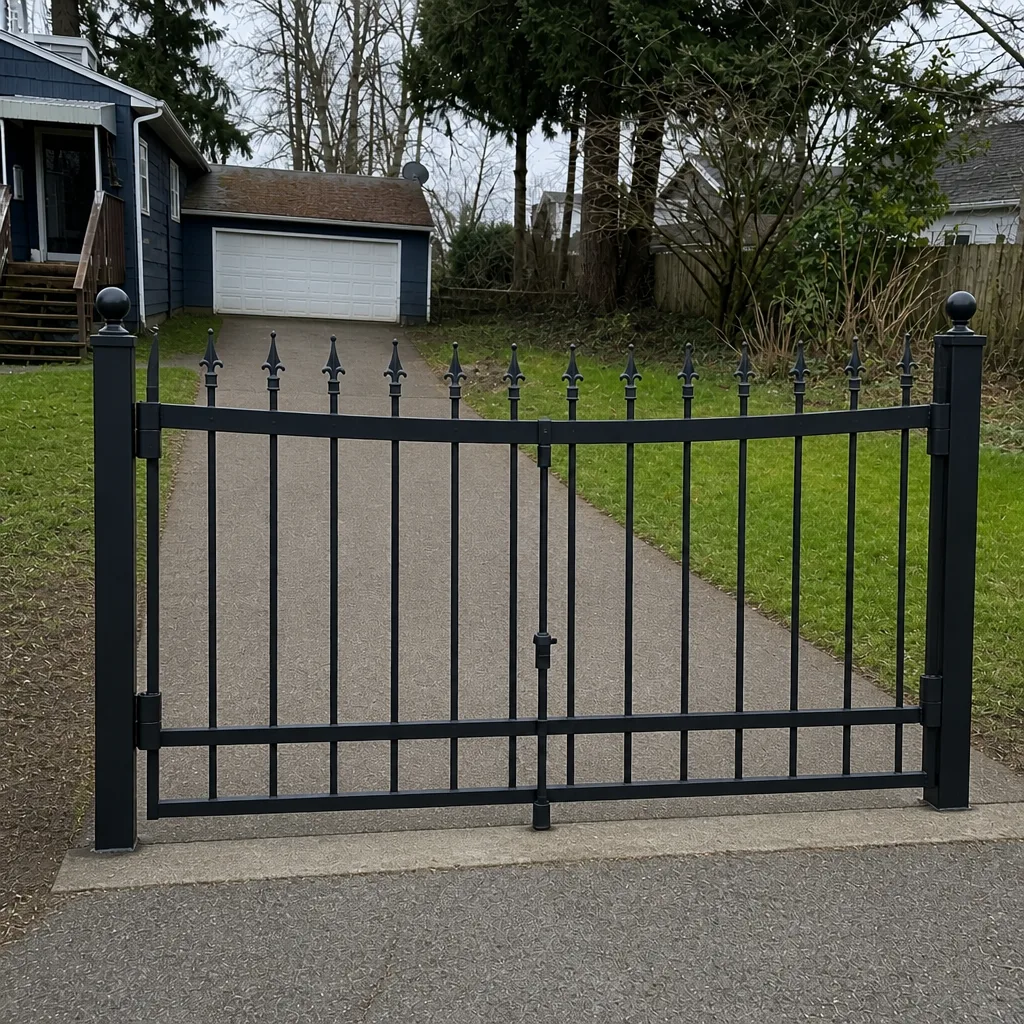
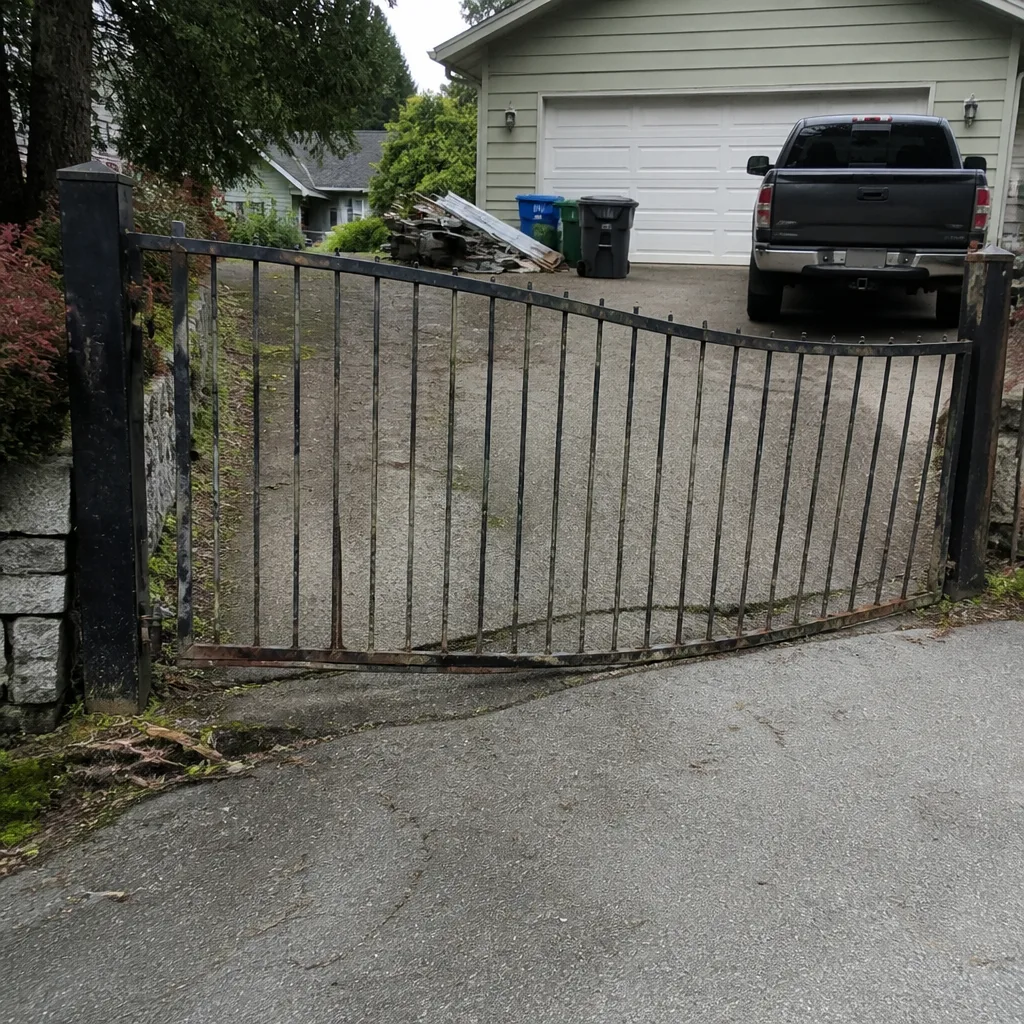
See the difference
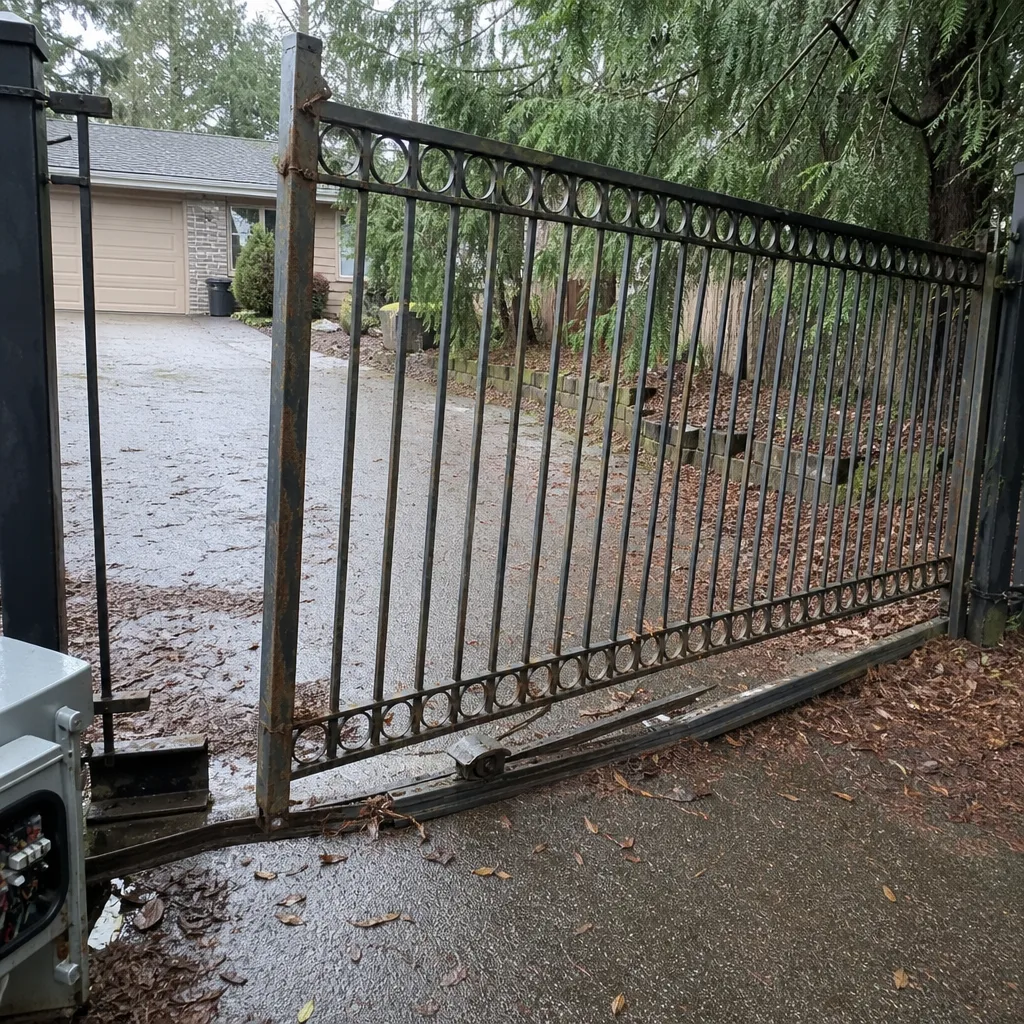 Before
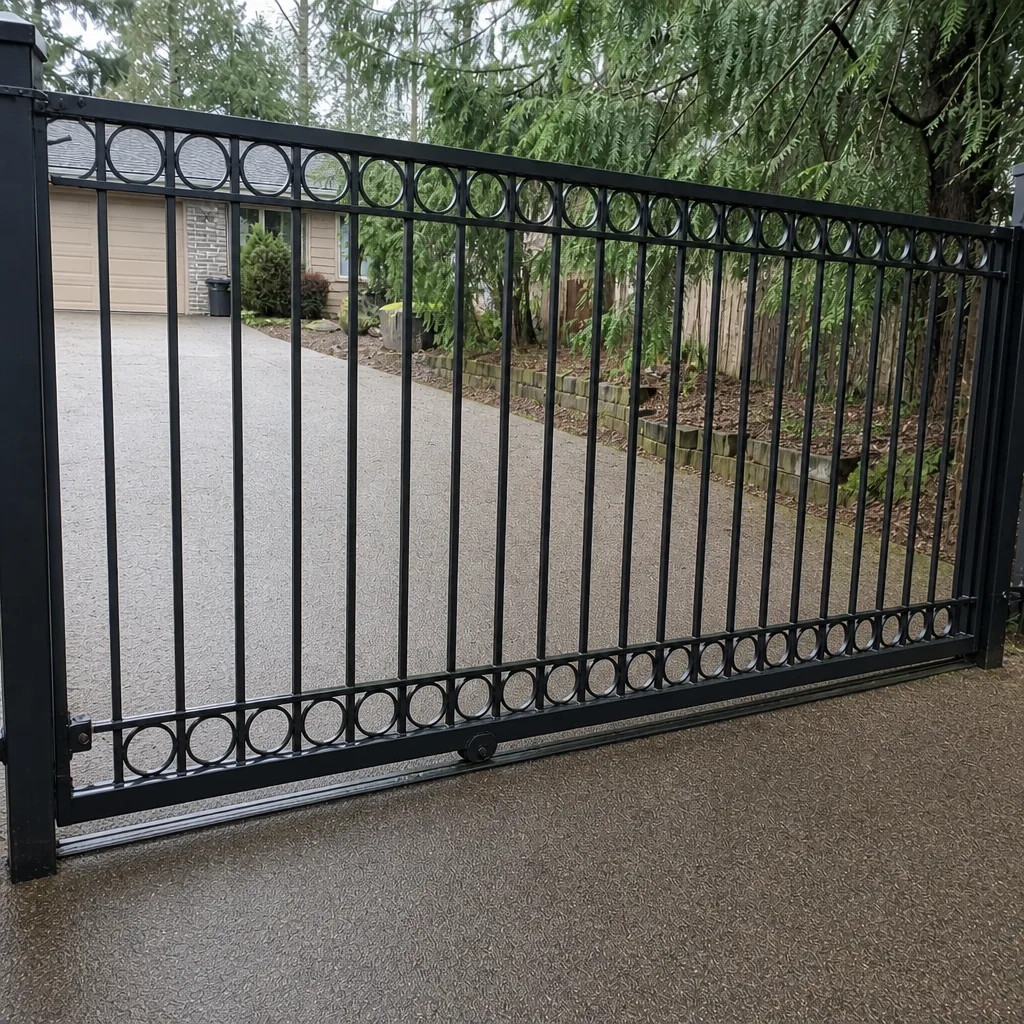 After
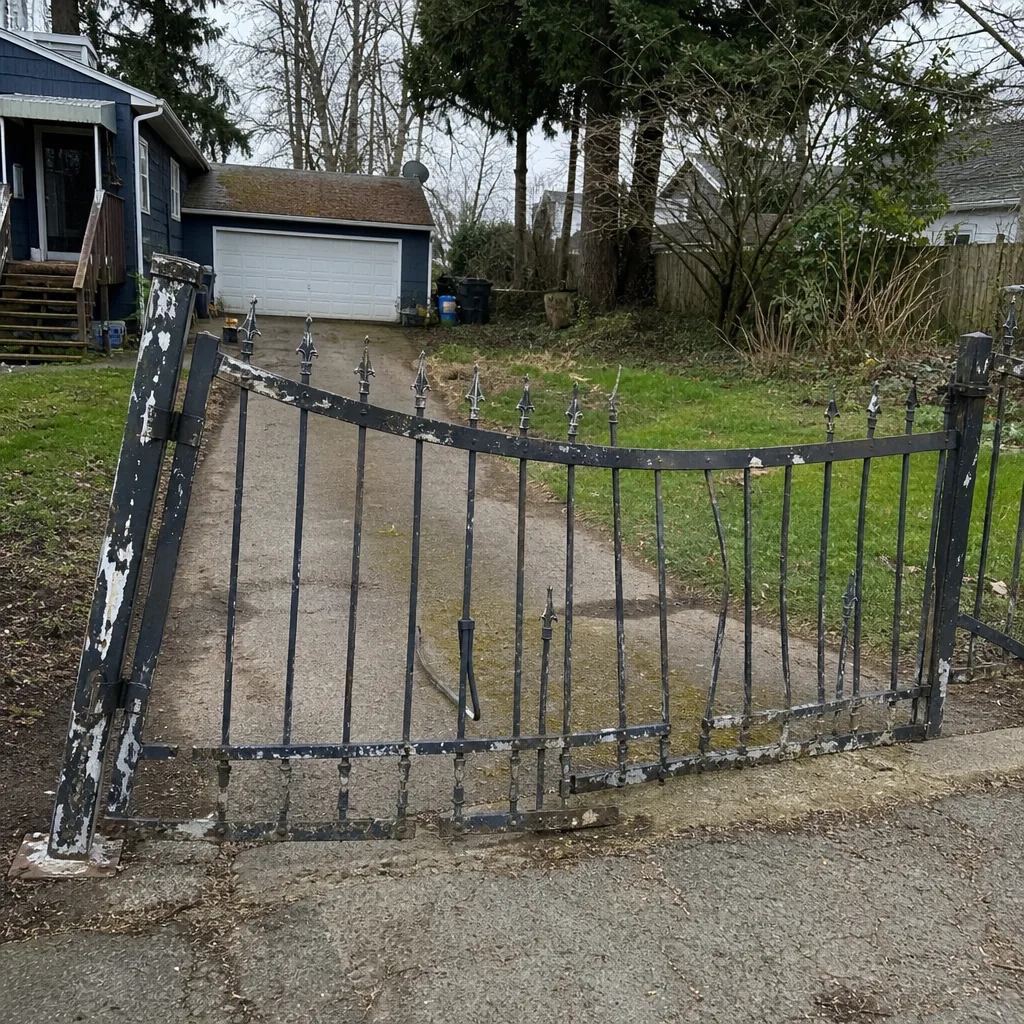 Before
 After
 Before
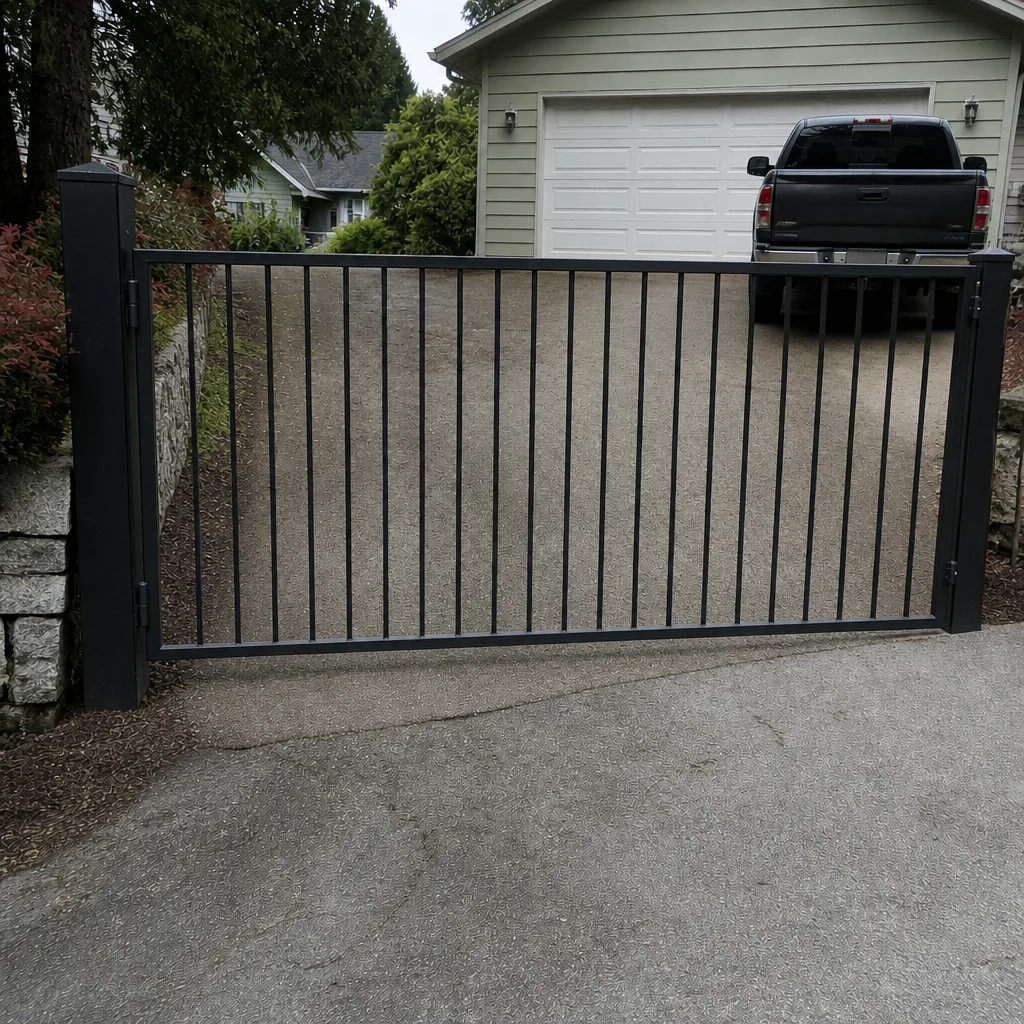 After
When to Call a Professional
Call a professional gate technician when the operator stops responding to remotes, when the gate reverses mid-travel, when photo-eyes fault, when the control board shows fault codes you don’t recognize, or when the gate leaves the track. Those are board, sensor, or actuator issues, and they need board-level diagnosis rather than a part swap. Call before a scheduled install too, so the brand choice is made with service-network information in hand rather than guesswork.
Gate Repair Renton offers free estimates in Renton. We work across nine major operator brands and specialize in electric gate repair and installation. Call (866) 293-5161. We answer 24/7. Fast dispatch from 7am to 7pm, Sunday through Friday. Estimates are free, and the price is set per job by the written estimate before any work starts.
Frequently Asked Questions
There’s no single “best” brand for Renton – the right choice depends on your gate type, use profile, and whether local service techs can reach the control board and parts. LiftMaster, Linear, DoorKing, and Elite tend to have deeper local coverage because their install base is dense; FAAC and BFT are excellent commercial operators but have a narrower specialist pool. Call (866) 293-5161 for an exact quote – estimates are free.
Repair cost varies by the failing component – a limit switch or photo-eye replacement is on the low end, while a control board or motor replacement is on the higher end. The price depends on the brand, part availability, and whether the operator needs realignment after the swap. The written estimate is free and sets the final price before we start. Call (866) 293-5161 for the exact number.
Yes, for the nine brands we work across. We’re familiar with the board architecture on LiftMaster, FAAC, BFT, Linear, Viking, Ghost Controls, DoorKing, Elite, and Mighty Mule, and our technicians have up to 8 years of experience diagnosing them. For brands outside that list, call and we’ll tell you honestly whether we can help.
Repair usually makes sense when the failing part is a board, sensor, or actuator, and the rest of the operator is holding calibration well. Replace makes sense when the operator is out of production, when the parts are unavailable locally, or when the total ownership cost over the next few years exceeds a new install. We’ll tell you which one actually makes sense for your system – call (866) 293-5161.
Yes. Installation and repair include the wiring, photo-eye safety edges, and any loop detector work needed to keep the system running correctly and within expectations. We don’t hand off the electrical side to another contractor, so the system comes online with one team from start to finish.
Common failure parts (control boards, limit switches, photo-eye assemblies, and motor assemblies) sit at a mix of local shops and Puget Sound distributors. Depth varies by brand. Common brands like LiftMaster and Linear usually have the shortest access windows; less common brands may take longer. Call (866) 293-5161 for an exact quote on your specific operator.
The Bottom Line
Choosing a gate operator brand is a service-availability decision, not a spec-sheet decision. The right brand for your Renton property is the one with a trained technician who can reach your site and get parts without a long wait. Narrow the field by gate type first, then check who locally knows the control board, then compare ten-year ownership cost including downtime. That order will steer you away from the most common mistakes and toward an operator you can actually keep running. If you’d rather talk it through, that’s what we do.
Ready to shortlist your gate operator or diagnose a failing one? Gate Repair Renton offers free estimates across Renton and the surrounding area. Our technicians have up to 8 years of experience working across LiftMaster, FAAC, BFT, Linear, Viking, Ghost Controls, DoorKing, Elite, and Mighty Mule. Call (866) 293-5161. We answer 24/7. Fast dispatch from 7am to 7pm, Sunday through Friday. The written estimate sets the final price before any work starts, and it’s always free. Start with Gate Repair Renton if you want the full picture of what we handle, or browse our Renton page for local context.
Written by the team at Gate Repair Renton.