
Last updated November 15, 2026
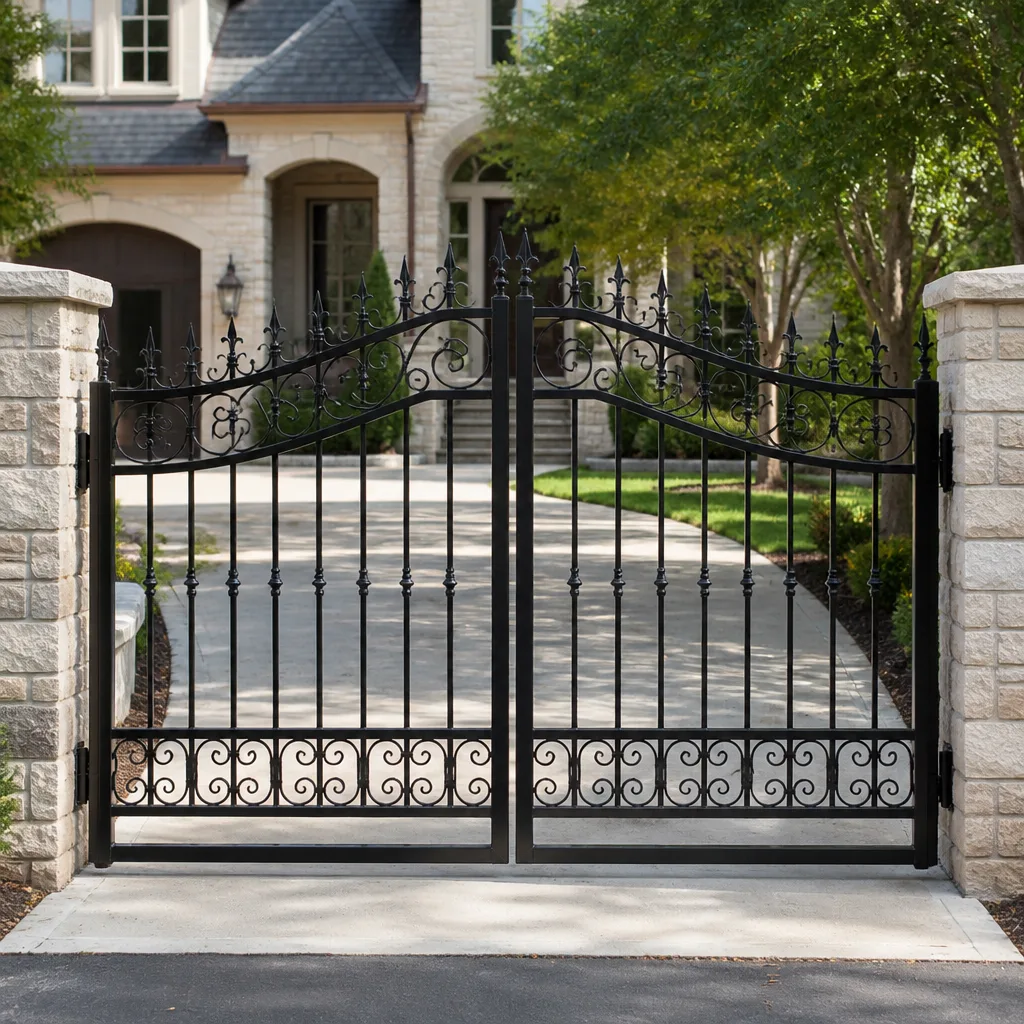 Wrought iron
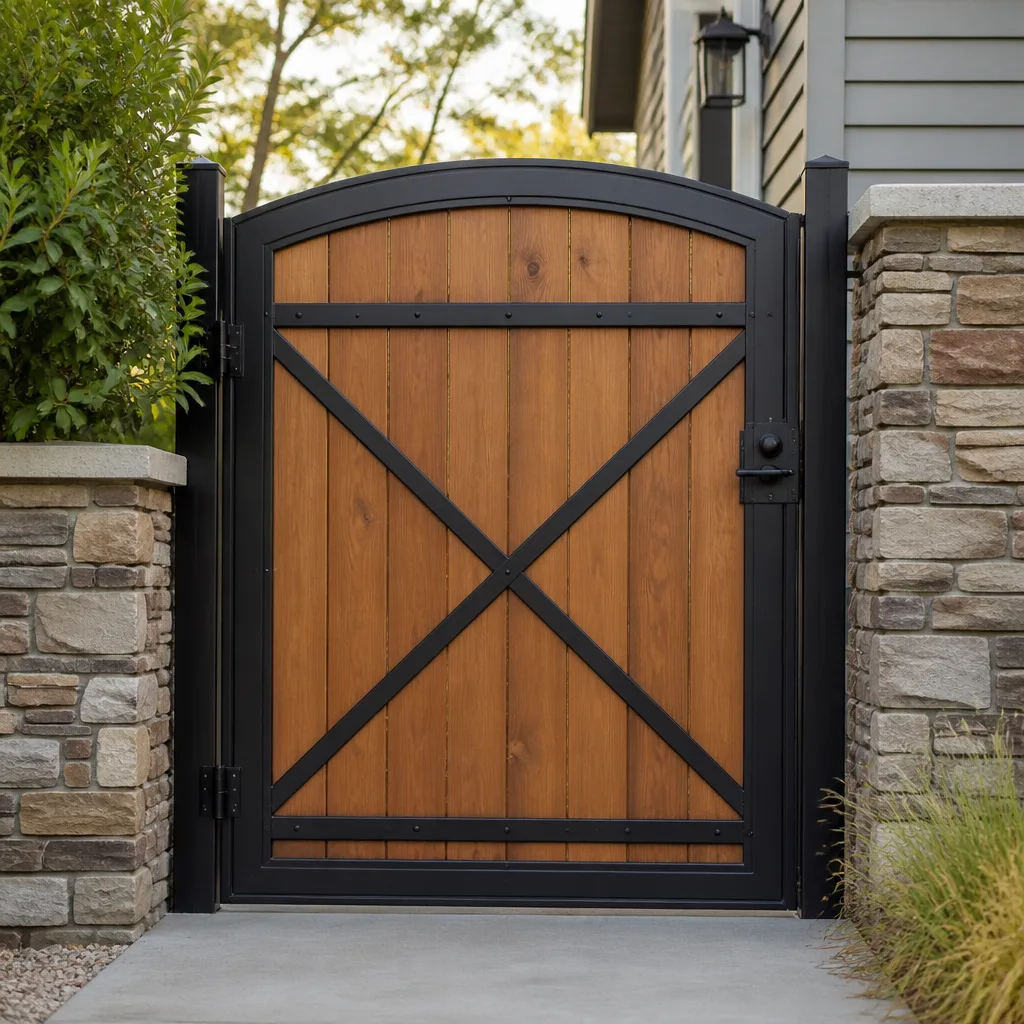 Wood & steel frame
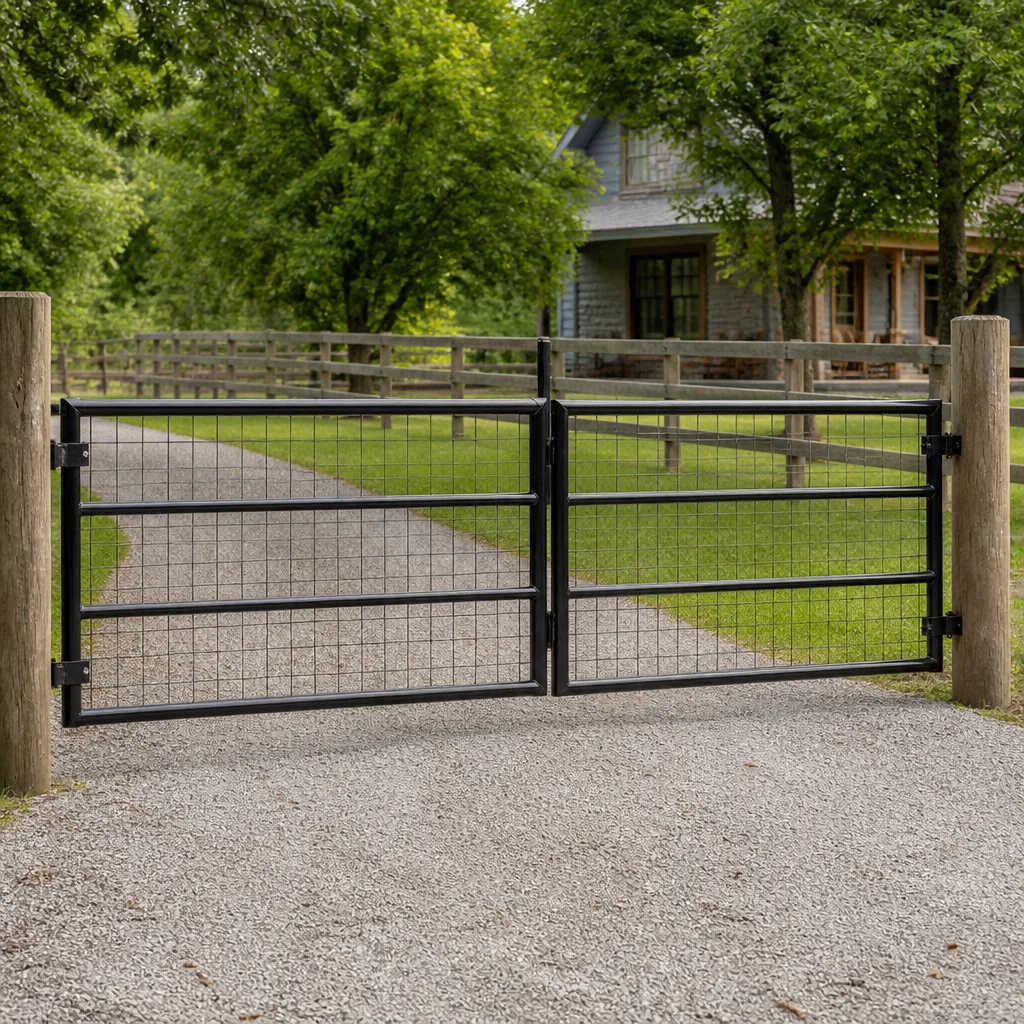 Farm & ranch
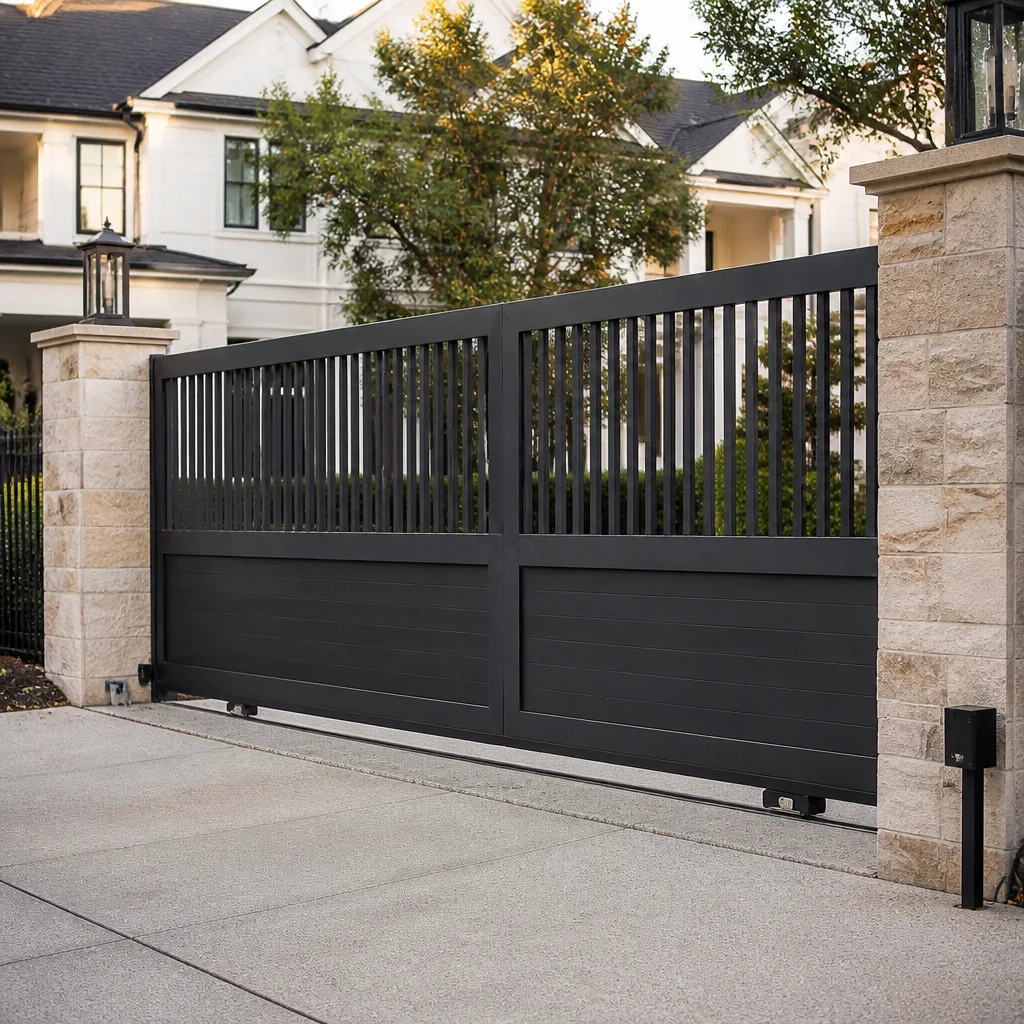 Sliding driveway gates
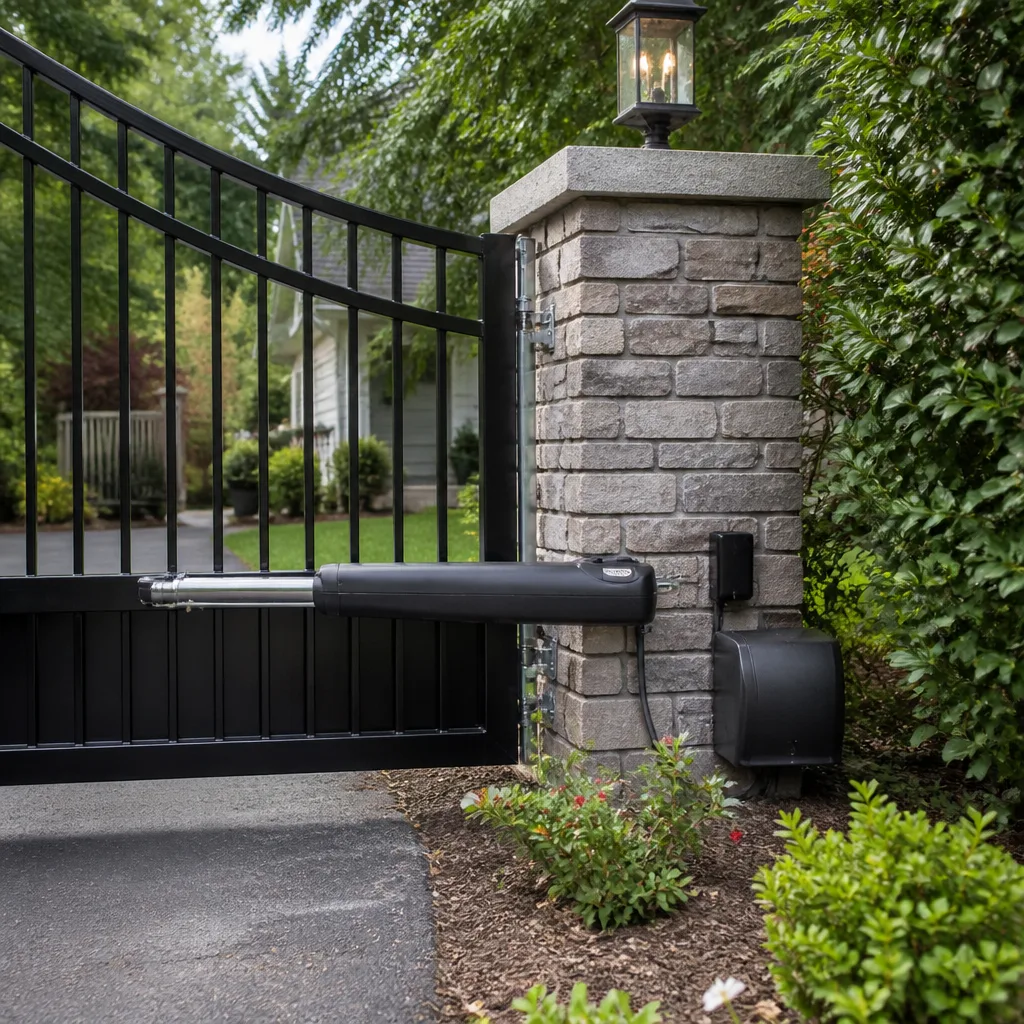 LiftMaster operators
Free on-site gate assessment - hinges, posts, and your LiftMaster or Nice gate operator checked before anything is quoted
The assessment is free and the quote is the invoice.
Get your free estimateGate Repair Permits, Codes & Inspections in Renton, WA: What You Need to Know
Here’s the assumption we run into most often: the smaller the repair, the less likely it needs paperwork. In practice, it’s the opposite. A loose hinge or a worn roller is genuinely exempt from most permitting, but wiring a new gate operator into a 20-amp circuit, cutting into a post to re-anchor a sagging swing gate, or relocating a gate near a public right-of-way can all trigger city review in Renton. Those are exactly the jobs homeowners assume are too minor to matter. This guide walks through what Renton’s code actually requires, what inspectors check, how unpermitted work affects insurance and a future sale, and which repairs you can skip the paperwork on entirely.
Quick Answer
In Renton, routine gate repairs – hinge swaps, roller replacement, board swaps inside an existing operator, track alignment – generally don’t require a permit. Work that installs new electrical service to a gate operator, alters the structural posts or footings, or places a gate close to a public right-of-way typically does require a permit through the City of Renton, and the installation itself must meet UL 325 safety standards. Getting it permitted protects your insurance coverage and your ability to disclose the work when you sell.
Styles & brands we work with
- Wrought iron
- Wood & steel frame
- Farm & ranch
- Sliding driveway gates
- LiftMaster operators
Table of Contents
- When does a gate repair require a permit in Renton?
- Which gate repairs are universally permit-exempt?
- What are UL 325 safety standards and what do inspectors actually check?
- What does the Renton permit process look like, step by step?
- How long does a Renton gate permit take, and what does it cost?
- How does unpermitted gate work affect insurance and a future sale?
- Why does the operator brand matter for a code-compliant install?
- What happens during a gate inspection, and how do you prepare?
When does a gate repair require a permit in Renton?
A gate repair in Renton requires a permit when the work touches the electrical circuit feeding the operator, when it alters the structure that holds the gate up, or when the gate’s position near a street or sidewalk changes. Everything else is generally repair work that falls outside permitting.
The key line is between repair and alterations. Repairing an existing gate keeps the original scope and location. Altering it creates new construction. The city cares about new construction. We’ve seen this play out most clearly with electric gates, where a homeowner adds a brand-new operator on a new dedicated circuit and doesn’t realize the electrical installation itself is what triggers the review – not the gate operator. Wiring is wiring, whether it’s a light fixture, an outlet, or a gate operator, and a new circuit is a new circuit.
The three triggers we watch for in Renton:
- New electrical service. Adding a dedicated circuit, running conduit to a gate post for the first time, or relocating an existing power feed all count as electrical work. This is the single most common trigger. If the gate already has power and you’re swapping an operator board or motor on the same feed, it’s repair. If you’re bringing power to the gate for the first time, it’s an electrical permit.
- Structural post and footing work. Replacing a gate post, cutting into a post to re-anchor a hinge plate, or re-pouring a footing for a sagging swing gate is structural. Drilling a new hinge bolt into sound wood or metal isn’t. The distinction is whether the post assembly itself is being reconfigured. A swing gate that’s been leaning for a year usually needs a footing addressed, not just a hinge swap.
- Right-of-way proximity. Gates that swing, slide, or extend near a sidewalk, alley, or street edge sit in a different category. The city cares about clearance and sight distance at driveways that open onto a public right-of-way. A gate that replaces a simple driveway approach, or one that moves the gate line closer to the street, is worth a conversation with the city before any digging begins.
Renton’s zoning varies enough that a gate on a residential lot in Kennydale doesn’t always get reviewed the same way as a gate on a commercial approach off a busy arterials. When in doubt, call the city’s Community and Economic Development department and describe the work in plain terms. The person on the phone is used to these questions and can tell you within a couple of minutes whether your job falls inside or outside the permit line.
Which gate repairs are universally permit-exempt?
Most of what we do on gates every week doesn’t require a permit – and that’s a good thing, because permitting simple repairs would slow down work that sometimes needs to happen quickly when a gate is stuck open or refusing to close.
Here’s the short list of repairs that don’t typically trigger permitting anywhere, including Renton:
- Replacing hinges, rollers, and guide wheels
- Swapping a control board, receiver, or remote receiver module inside an existing operator housing
- Replacing a failed motor on an operator that’s already wired to an existing circuit
- Realigning a slide gate on its existing track
- Adjusting or replacing safety edges and photo-eye sensors on an existing installation
- Replacing a keypad, entry pedestal, or loop detector on an existing system
- Repairing or replacing a gate chain on a slide gate with an existing operator
- Straightening a bent panel or re-hanging a gate leaf on existing hardware
A few of these get murky when the panel is heavy or the repair is significant. Replacing a photo-eye on an existing install is a swap. Replacing an entire safety-edge system on a commercial swing gate that serves an apartment complex can edge into “new safety equipment” territory, and the property manager should confirm before work begins. Same for loop detector work on commercial driveways that handle emergency vehicle access – some jurisdictions want sign-off there, and Renton’s process is worth checking. We’d rather ask the question up front than have a property manager discover a paperwork gap later.
If you’re looking at a repair and you’re not sure whether it’s on this list, the fastest path is a free estimate. Our team walks out, tells you what the job involves, and flags whether the work crosses into permitting territory before any wrench turns. You can read more about our gate repair work to get a sense of scope.
What are UL 325 safety standards and what do inspectors actually check?
UL 325 is the standard that governs automatic gate operators in the US, and it’s the framework Washington inspectors and gate technicians work from. It sets requirements for entrapment protection – the safety devices that stop or reverse a gate when something is in its path – and it applies whether the gate is on a residential driveway or a commercial lot.
In practical terms, UL 325 requires that every automatic gate have at least one primary entrapment protection device, and that the operator’s installation instructions are followed for placement of those devices. On a swing gate, that’s usually a pair of photo-eyes across the opening. On a slide gate, it’s photo-eyes plus a safety edge along the leading edge of the gate leaf. For gates that could strike a pedestrian or vehicle in an area without line-of-sight, a second or independent protection method is often required – typically an additional photo-eye set, a safety edge, or an alarm on the operator itself.
What inspectors tend to look at during an electrical or gate review:
- The circuit itself. Conductor sizing, conduit routing, GFCI protection where required, and whether the disconnect is accessible. The gate operator needs to be on a dedicated circuit that matches the manufacturer’s spec.
- The entrapment protection devices. Photo-eyes mounted at the correct height and distance from the gate, wired to the operator’s correct terminals, and actually interrupting travel when blocked.
- The operator’s listing. The unit needs to be a UL 325-listed operator, and the installation needs to follow the manufacturer’s instructions for that model. Inspectors recognize common brands like Linear and DoorKing, but they check against the spec regardless of brand.
- Placement and clearances. The gate leaf travel, the clearance from any public right-of-way, and the swing arc relative to a sidewalk or driveway approach.
- Warning signage. The “Automatic Gate – Do Not Enter” plates that the operator manufacturer requires, placed where they can actually be seen.
A gate that’s been operating without entrapment protection isn’t just a code problem – it’s an injury risk for anyone walking or driving through the opening. If your operator was installed before photo-eyes became the norm, the gate should be retrofitted. This is where a dedicated gate specialist earns their keep. Our technicians have up to 8 years of experience and diagnose control boards and safety loops on the same visit, rather than handing the electrical work to a generalist and the gate work to someone else.
What does the Renton permit process look like, step by step?
The city’s permit process for gate-related work runs through the Community and Economic Development department, and it follows a standard sequence: application, plan review, permit issuance, inspection, sign-off. Most residential electrical permits move through quickly; structural reviews that involve posts and footings take longer because there’s more to check.
- Identify what’s actually being permitted. Are you pulling an electrical permit for a new operator circuit, a structural permit for post or footing work, or both? Splitting the scope early prevents a rejected application later.
- Gather the operator documentation. Manufacturer installation instructions, the UL 325 listing, and a simple site sketch showing gate location, swing direction, and the position of photo-eyes and safety edges. Most applications go smoother when this is in the packet.
- Submit the application. Renton accepts applications through the city’s online permit portal and at the counter. A licensed electrical contractor typically pulls the electrical permit; a homeowner doing structural work on their own property may be able to pull an owner-builder permit, but a contractor will handle the paperwork more cleanly if the work is being done for hire.
- Plan review. Electrical reviews are often same-day or next-day on straightforward residential jobs. Structural reviews with footings take longer since the reviewer wants to confirm the footing depth and the anchor detail. Expect a round of comments to come back on anything involving a new post.
- Permit issuance. Once approved, the permit is issued and work can start. Keep the permit card on site – the inspector will want to see it.
- Inspection. Electrical inspections happen with the rough-in exposed, then a final after the operator is live and everything is buttoned up. Structural inspections happen at the footing stage and at final.
- Sign-off and documentation. Save the final inspection record. It’s the document your insurer and a future buyer will want to see if they ask about the gate improvement.
The single biggest time-sink is submitting an application with a vague scope. “Install gate operator” doesn’t help a reviewer. “Install 1/2 HP slide gate operator on new dedicated 20-amp circuit, with photo-eyes and safety edge, at 1234 X Ave” does. The more specific the scope, the faster the review.
How long does a Renton gate permit take, and what does it cost?
Residential electrical permits in Renton typically review in a few business days and issue shortly after. Structural permits that include new footings usually take longer – closer to one to two weeks of review – because of the inspection sequence and the footing detail.
Permit fees are set by the city’s fee schedule and depend on valuation, so we don’t quote them as a fixed number. A gate circuit permit and a footing permit for a post rarely come out the same. The city publishes its current fee schedule and can give you a number for your specific scope when you call. For planning purposes, expect the permit fee to be a modest line item compared to the cost of the electrical or structural work itself, but a real one.
Where the timeline gets away from people is when the plan review comes back with corrections. Those add a round-trip, and on structural work that round trip can be the difference between a gate going live before a busy season and after it. A few things that keep the review fast:
- Submit the operator’s installation manual with the application, not after.
- Include a labeled site plan showing gate location, swing arc, and device placement.
- For footing work, include the footing depth and diameter, and note whether an existing underground utility is in the excavation area.
- Use a licensed contractor for the electrical scope. Electricians pull permits every week; homeowners do it once.
If you’re in the middle of planning a new installation and want to understand how the operator brand affects the application, our team can walk you through what your specific model actually requires. The Gate Repair Renton page is a good starting point for the full picture of what we service.
How does unpermitted gate work affect insurance and a future sale?
Unpermitted gate work can create real exposure on both fronts. A homeowner’s policy typically covers a gate-related incident as part of the residence – but coverage can be contested when a claim involves an improvement that was made without required permits or inspections. Insurers don’t like paying for damage that came out of non-compliant work, and they can argue the property was altered in a way the policy wasn’t written for.
That’s the part people don’t see coming. A gate that injures a delivery driver, a child, or a visitor is a serious liability event regardless of why it happened. But if the gate operator was wired to a circuit that wasn’t permitted, a claim against that incident can turn from “our policy covers this” into “we’re going to have to look at how this was installed first.” That second conversation usually doesn’t go the way the homeowner expects.
On the sale side, the question is disclosure. When you sell a home in Washington, you complete a seller’s disclosure statement that asks about improvements. A gate operator installation, a new gate post, and a footing repair are improvements. If a buyer’s inspector asks whether the gate was permitted and the answer is no, you’ve created a problem on the way to a closing table. In many cases the fix is straightforward – pull the permit retroactively and have the work inspected so the record exists. But that conversation is much cheaper before an offer is on the table than after.
What permitted work buys you:
- A record with the city that the installation happened and passed inspection.
- Coverage clarity if a gate-related incident ever comes up.
- Documentation to hand a buyer when they ask about improvements.
- Confidence that the entrapment protection actually meets UL 325, not just “the installer said it’s fine.”
We’ve walked property managers and homeowners through this exact scenario more than once. The honest answer is that permitting the work is usually less trouble than fixing the paperwork later. On a service like electric gate repair, it can be tempting to skip the permit when the work is “just a repair” – and sometimes it is, and it’s exempt. Other times it’s a new circuit in disguise, and it isn’t.
Why does the operator brand matter for a code-compliant install?
The operator brand determines which entrapment protection devices are required, where they mount, and how they’re wired. Not all operators have the same photo-eye placement requirement or the same safety edge terminals, and inspectors work from the manufacturer’s instructions for the specific model, not from a generic checklist.
On residential driveways around Renton, we see a lot of Linear operators and Ghost Controls units. Linear is common on older residential installs where the operator has been in place since the gate was first automated. Ghost Controls is a common choice for newer residential swing gates, especially where a homeowner is upgrading from a manual gate to an automatic one – the installation is approachable and the UL 325 compliance path is documented clearly. Both have specific requirements for photo-eye placement, and both require the safety signage that comes with the unit to be mounted where visible.
On multi-tenant and commercial properties, DoorKing and FAAC systems show up frequently. DoorKing entry systems have specific loop detector wiring that must be in place for the gate to be compliant, and the installation instructions call out the loop layout clearly – which is good, because inspectors who recognize the brand know exactly what they’re looking for. FAAC swing operators for commercial and estate gates have their own entrapment requirements, and getting the photo-eye placement right is what makes the inspection quick. When we walk onto a property and see these brands, we already know the failure points and the compliance path. That’s not brand loyalty – it’s just how much faster diagnosis goes when you’re not learning the operator for the first time.
What that means in practice for a code-compliant install:
- The operator must be a UL 325-listed unit, and the install must follow its manual.
- Entrapment protection devices must be mounted per that model’s instructions, not per a generic template.
- Wiring must be to the manufacturer’s spec on the correct terminals – a board swap on a Linear is not the same as a board swap on a DoorKing.
- Warning signage must be present and visible.
- The circuit must be dedicated and sized to what the operator draws.
When we’re called to an inspection pre-check, we’re looking at exactly these points. Getting them right before the inspector arrives makes the visit short. If you’re in Renton and have an operator that’s failing its safety checks, we’d rather see it before the review than after.
What happens during a gate inspection, and how do you prepare?
A gate-related inspection is a walkthrough and a demonstration, not a full teardown. The inspector will be on site for a short period and will verify that the work matches the permit scope, that the entrapment protection functions, and that the electrical work is compliant. Getting ready for it is mostly about having the paperwork and the demonstration ready.
Few things to have in hand:
- The permit card. It needs to be visible on site.
- The manufacturer’s installation instructions for the operator. If the inspector wants to verify a specific requirement, having the manual on hand saves a follow-up.
- The circuit information. Breaker size, conductor type, and disconnect location for the electrical inspection.
- A live demonstration. Photo-eyes, safety edges, and the manual release should all function when tested. The inspector will walk through the opening and break the beam.
What the inspector is checking, in plain terms:
- The electrical work matches the permit scope – no surprises in the panel or the conduit run.
- The operator, photo-eyes, and safety edge are installed in the positions the manufacturer requires.
- The gate stops or reverses when the entrapment protection is triggered.
- The manual release works, so the gate can be operated by hand in an emergency.
- The warning signage is visible from the vehicle approach.
- Structural work, if any, matches the plan – footing depth, anchor detail, and post mounting.
If you’re not the one who performed the installation and you’re not sure it’s going to pass, a pre-inspection walkthrough is a reasonable step. Our technicians can spot the common fail points – photo-eye height, reverse-on-contact function on a slide gate edge, or a loop detector wired to the wrong terminal – and get them corrected before the city inspector comes out. That’s cheaper than a failed inspection and a re-inspection fee.
Common Mistakes to Avoid
- Assuming a swap is always exempt. Replacing a control board on an existing circuit is repair. Adding a new operator on a new circuit is electrical work. The two get confused constantly, and it’s the most common cause of unpermitted installs in Renton.
- Skipping the footing inspection. Post and footing work has to be inspected with the excavation open and the anchor detail visible. If you pour first and inspect later, the review often requires correction or a re-dig.
- Buying the operator before checking entrapment requirements. The operator comes with instructions that specify entrapment protection placement. Picking the operator first and the safety devices later is the wrong order – sometimes the requirements mean a different model is a better fit.
- Reusing an old circuit for a new operator. A circuit sized for a small residential swing operator may not carry a heavier commercial slide operator. Verify amperage before the installation, not after the breaker trips.
- Forgetting the signage. The “Automatic Gate” warning plates are part of the UL 325 compliance package. Inspectors look for them, and their absence is a common fail point.
- Hiding the permit from the disclosure. If a gate improvement happened without a permit, disclose it. A buyer who finds it during the inspection and a seller who knew about it are two very different conversations at the closing table.
- Assuming the operator brand doesn’t affect the review. The installation manual for your specific operator is the compliance document. A DoorKing commercial install and a Ghost Controls residential install don’t get inspected to the same set of rules, and treating them the same creates unnecessary back-and-forth.
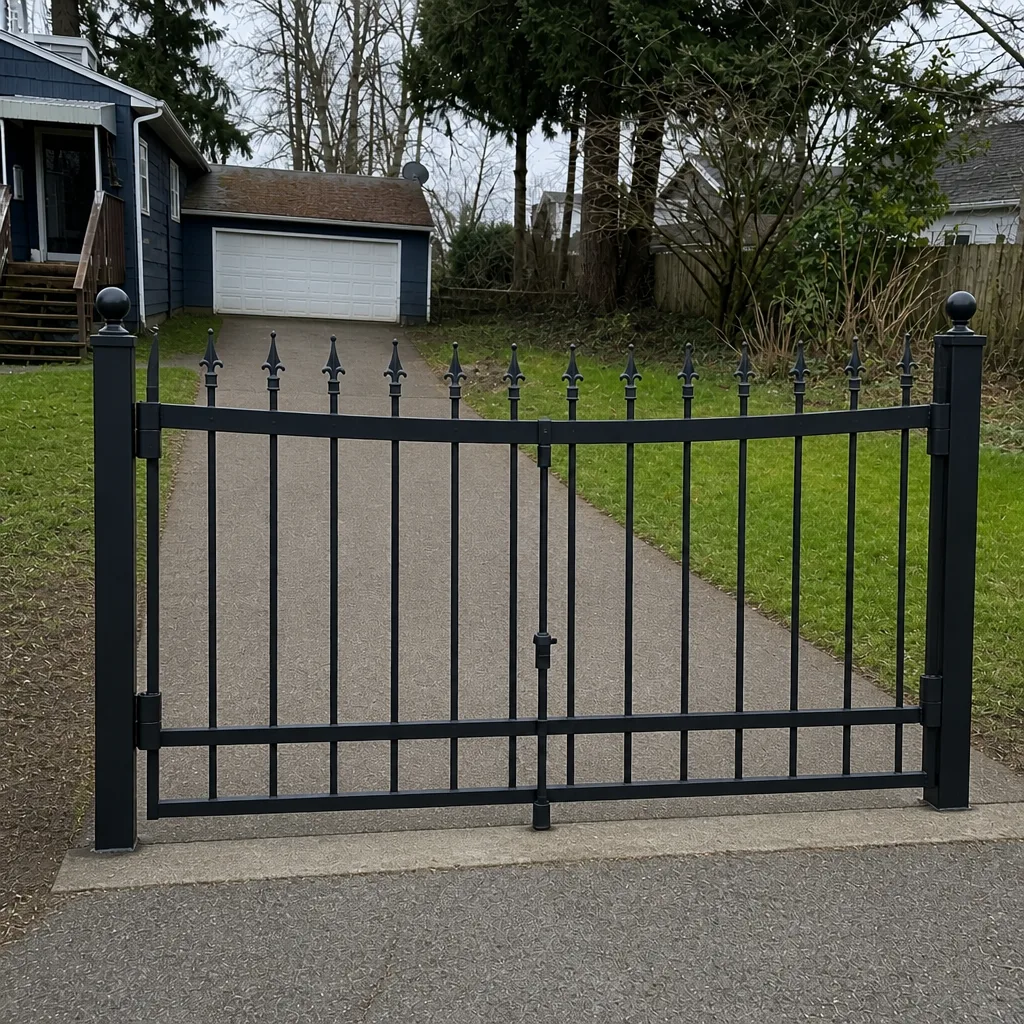
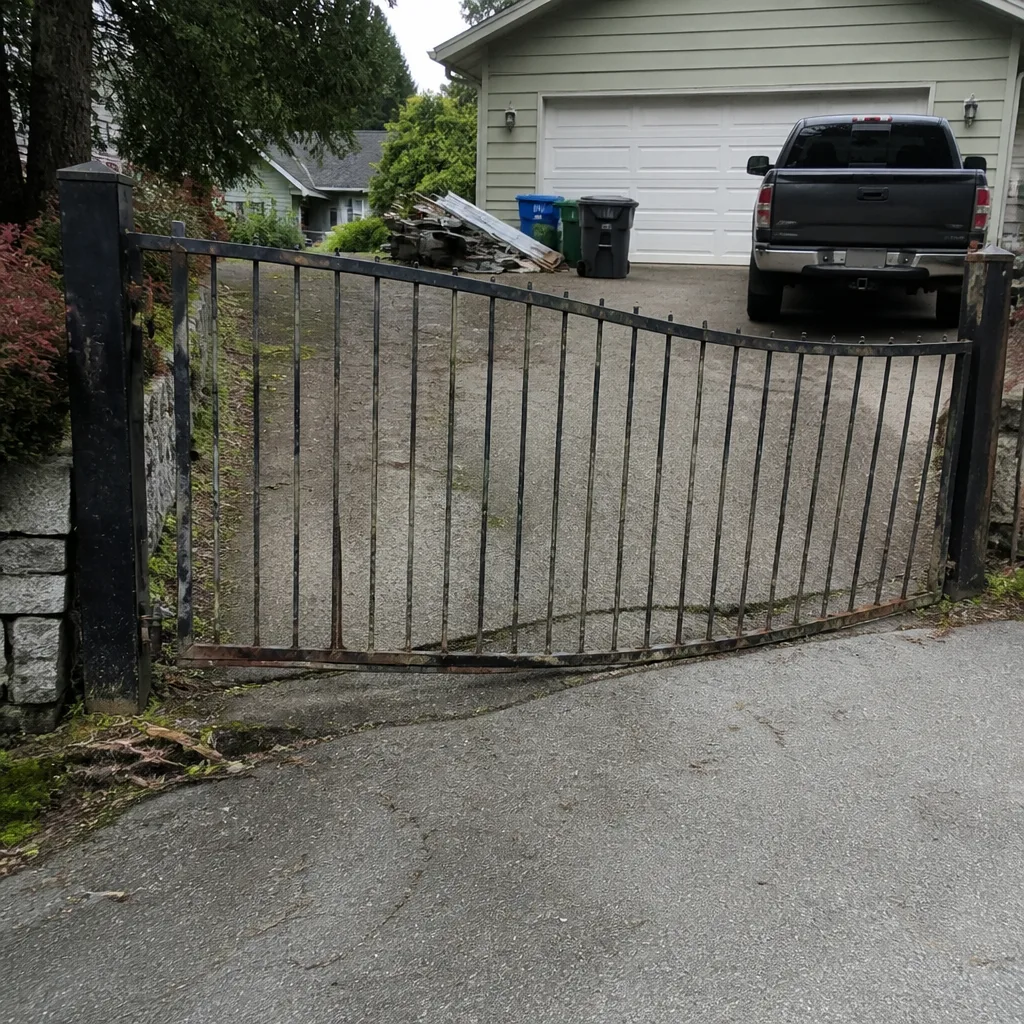
See the difference
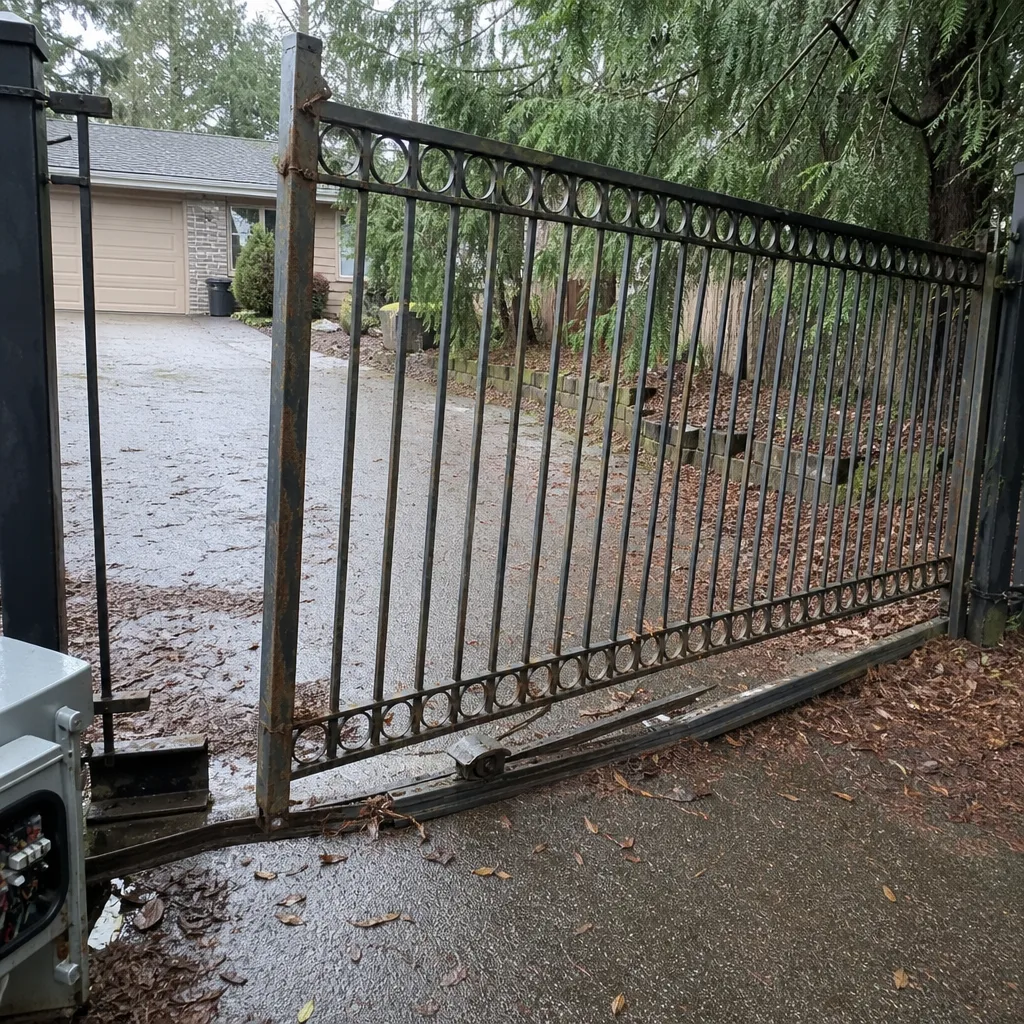 Before
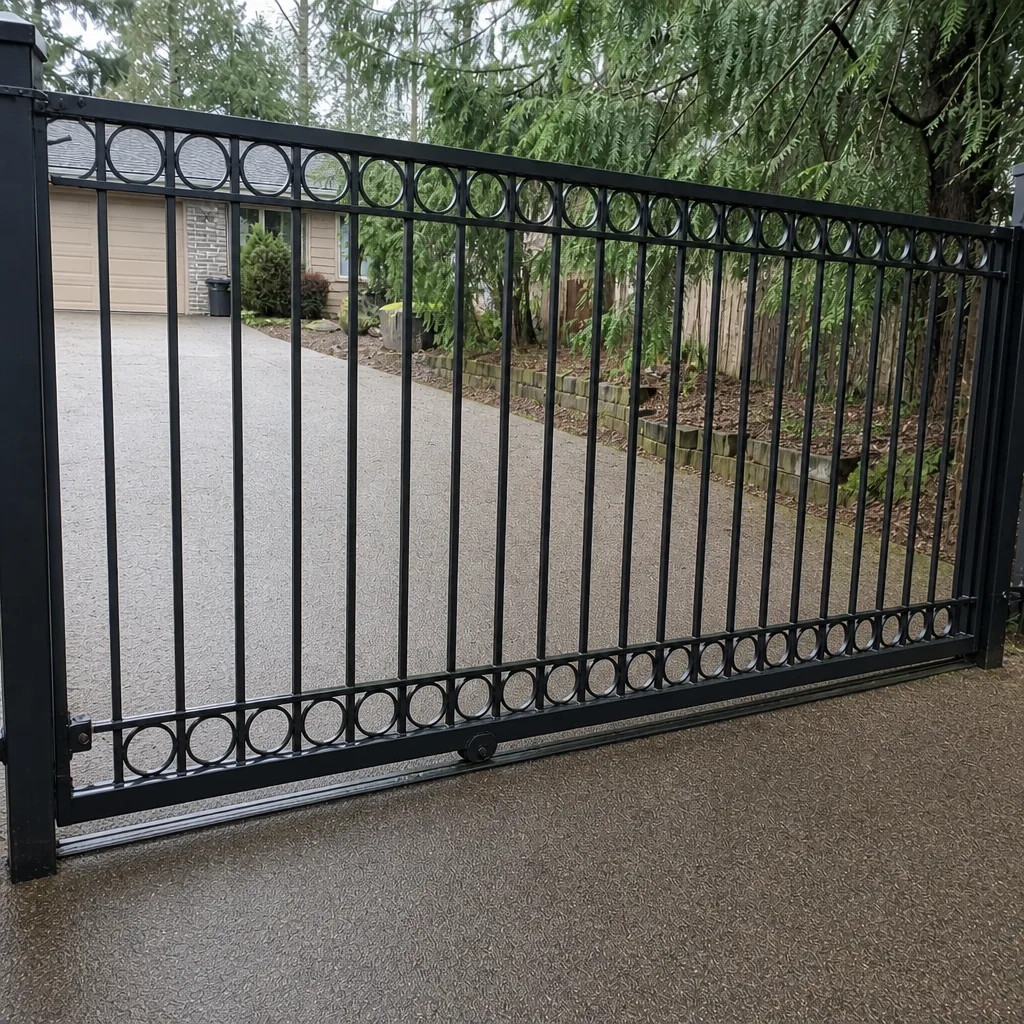 After
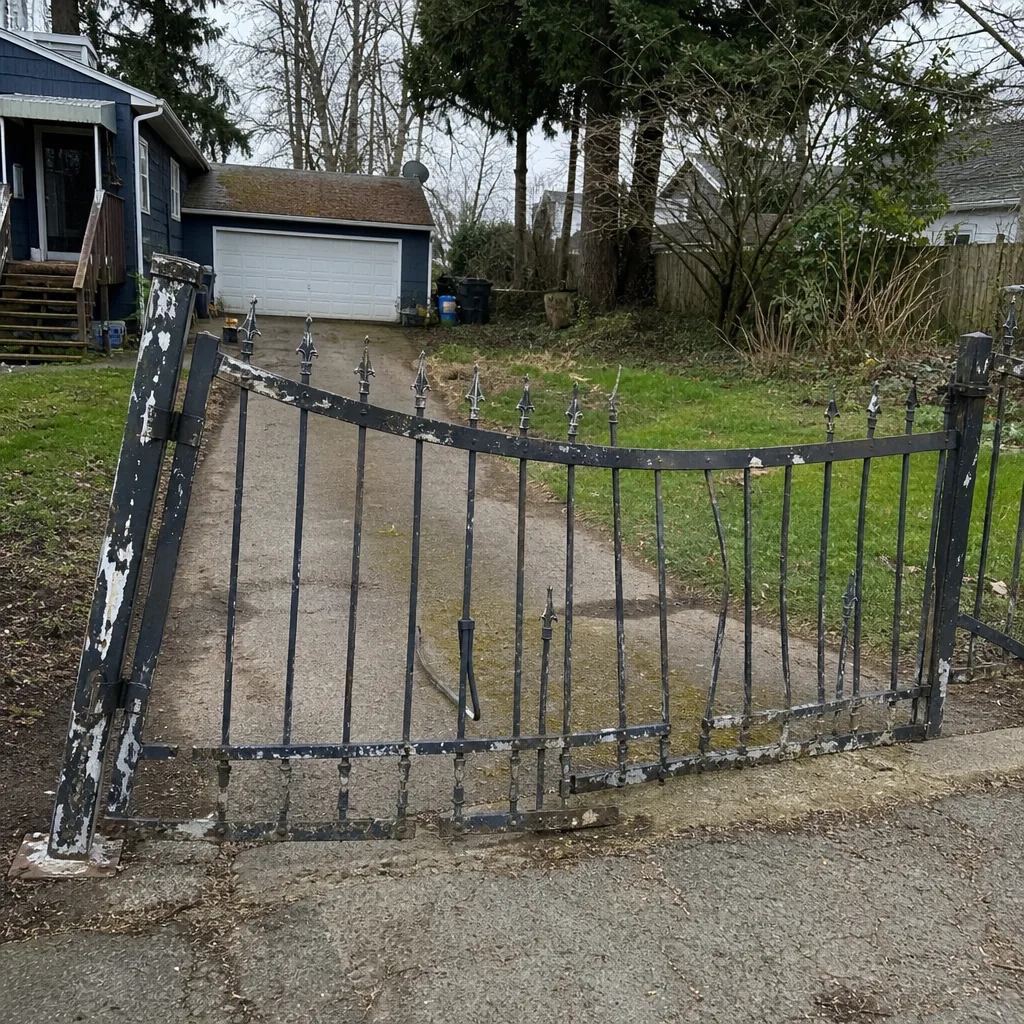 Before
 After
 Before
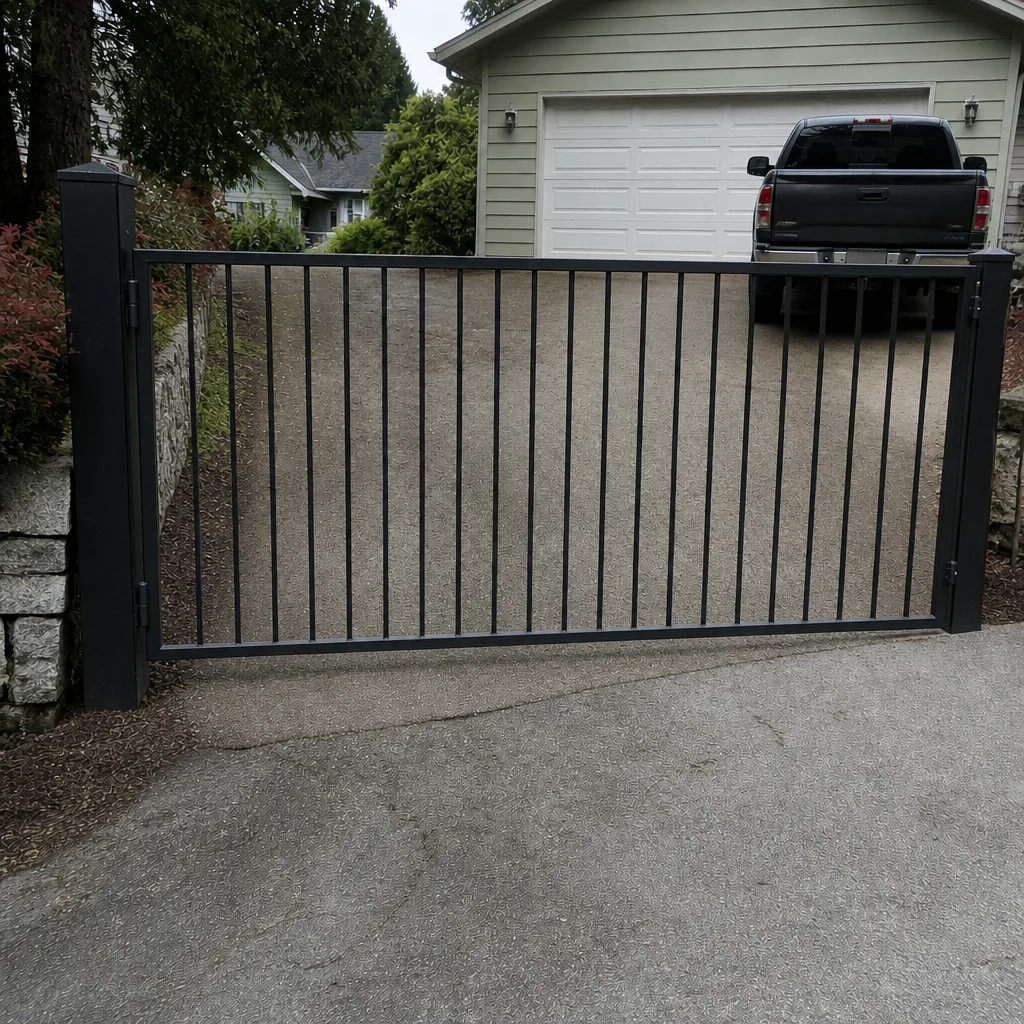 After
When to Call a Professional
Call a professional when the gate stops working and you can’t tell whether the problem is mechanical, electrical, or both; when a repair starts to look like an alteration; when a new circuit is on the table; or when an inspection is coming and you need the work ready. A gate that’s holding open in your driveway, a slide gate that’s off its track, an operator that’s failing safety checks, or a property that’s about to be listed for sale – those are all situations where the fastest path is to get a trained set of eyes on it. Gate Repair Renton offers free estimates in Renton – call (866) 293-5161. We answer 24/7. Fast dispatch from 7am to 7pm, Sunday through Friday.
Frequently Asked Questions
It depends entirely on what the repair touches. Replacing hinges, rollers, a chain, a control board on an existing circuit, or safety edges on an existing installation generally doesn’t require a permit. New electrical work to an operator, structural work to a post or footing, or any work that changes the gate’s position near a public right-of-way usually does. The safe move is always a quick call to the city before work starts. For a scope check on your specific repair, call (866) 293-5161 – estimates are free.
Yes, if it’s being wired to a new circuit. The electrical installation is what triggers the permit, not the operator itself, and the installation needs to comply with UL 325. An electric gate operator on an existing dedicated circuit that’s simply being replaced can sometimes avoid a new electrical permit, but the entrapment protection requirements still apply. A licensed electrician typically pulls the permit. Call (866) 293-5161 for an exact read on your installation.
Permit fees in Renton are set by the city’s fee schedule based on valuation, so there’s no single number. An electrical permit for a gate operator circuit and a structural permit for a post footing are usually different amounts. The city can give you the exact figure for your scope when you call. What we won’t do is guess at it – the permit cost is part of the written estimate we give you before work begins. Call (866) 293-5161 for a free estimate.
Residential electrical permits typically review within a few business days. Structural permits that involve footings usually take one to two weeks of review, plus the inspection sequence. Corrections on plan review extend the timeline. The way to keep it short is a specific scope and a complete application – the operator manual, a site sketch, and the footing detail if applicable. Call (866) 293-5161 and we’ll walk through what your application needs.
It can. If a gate-related incident leads to a claim and the installation involved work that required a permit but didn’t get one, the insurer can contest coverage. The cleanest protection is to permit the work and save the inspection record. If you’ve moved into a property where a gate operator was installed without a permit, a retroactive permit and inspection is often straightforward. Call (866) 293-5161 to talk through the situation.
In most cases, yes. The work gets inspected as an existing installation, entrapment protection is verified and added if missing, and the permit is documented retroactively. It’s not always identical to a new installation because some details may need adjustment, but it’s rarely a rebuild. Call (866) 293-5161 and we’ll look at what your installation actually needs.
The Bottom Line
Most gate repairs in Renton don’t need a permit. The ones that do are exactly the ones that carry real liability if they’re skipped – new operator circuits, structural post and footing work, and gates placed near a public right-of-way. When electrical work or structural work is involved, permit it, inspect it, and keep the record. When the repair is genuinely a swap on existing hardware, don’t over-engineer it. The line isn’t always obvious, and getting a professional opinion before the work starts is cheaper than discovering the gap after an incident or at a closing table. If you’re ready to look at your gate, call Gate Repair Renton at (866) 293-5161 for a free estimate. We answer 24/7. Fast dispatch from 7am to 7pm, Sunday through Friday.
Written by the team at Gate Repair Renton.