
Last updated November 15, 2026
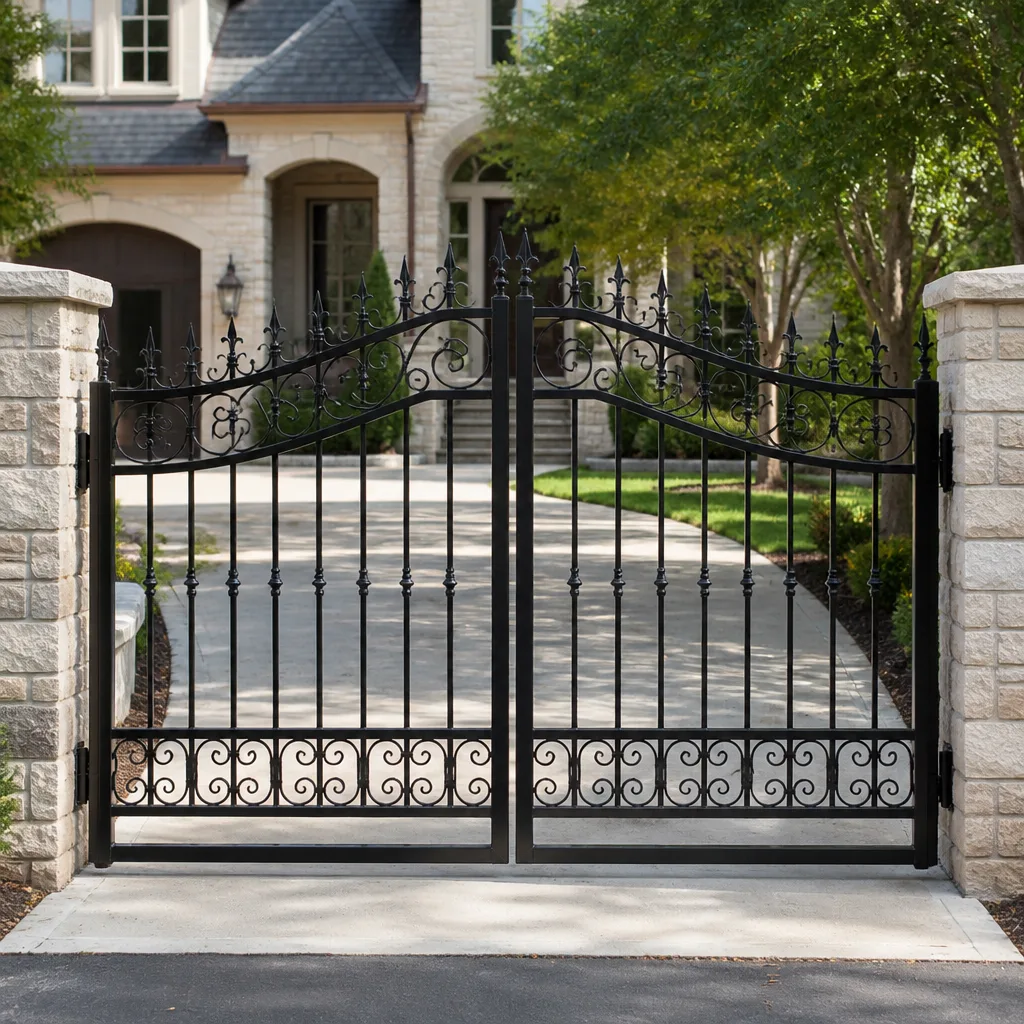 Wrought iron
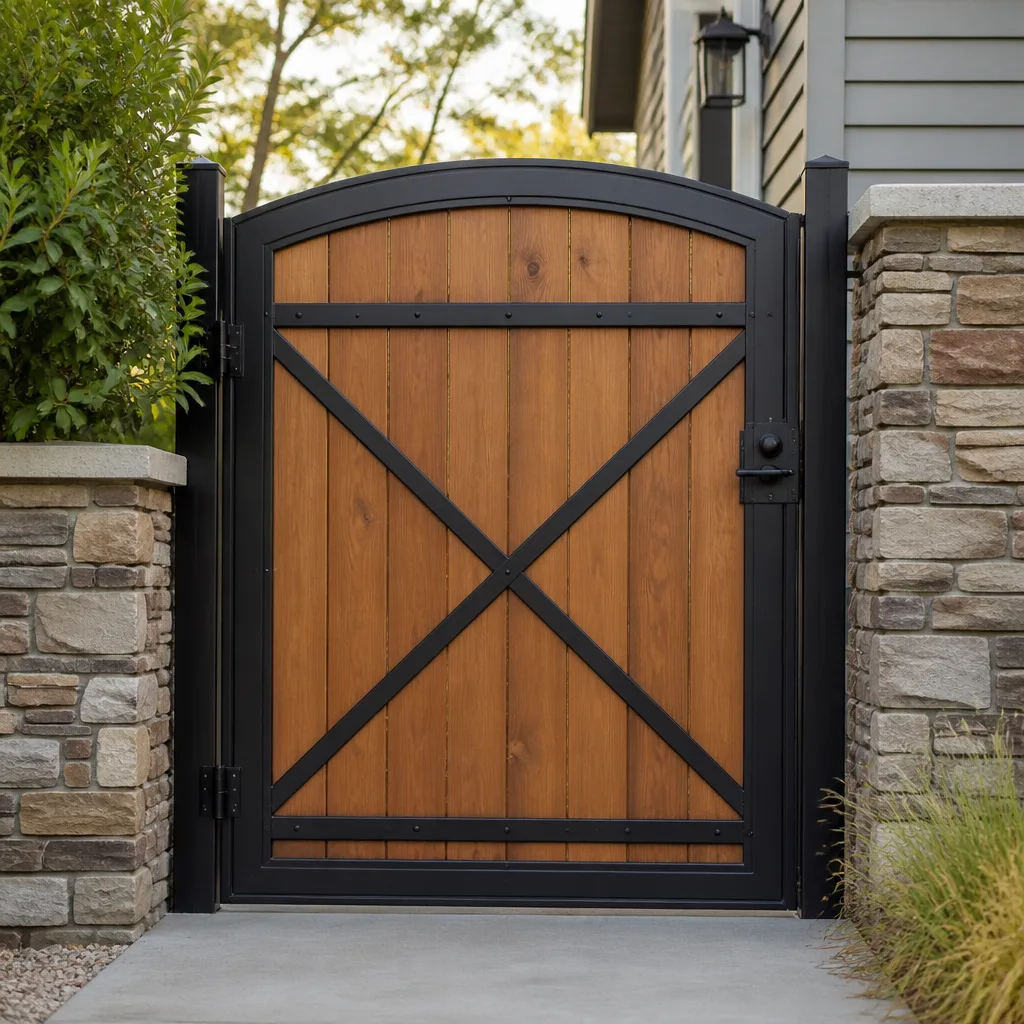 Wood & steel frame
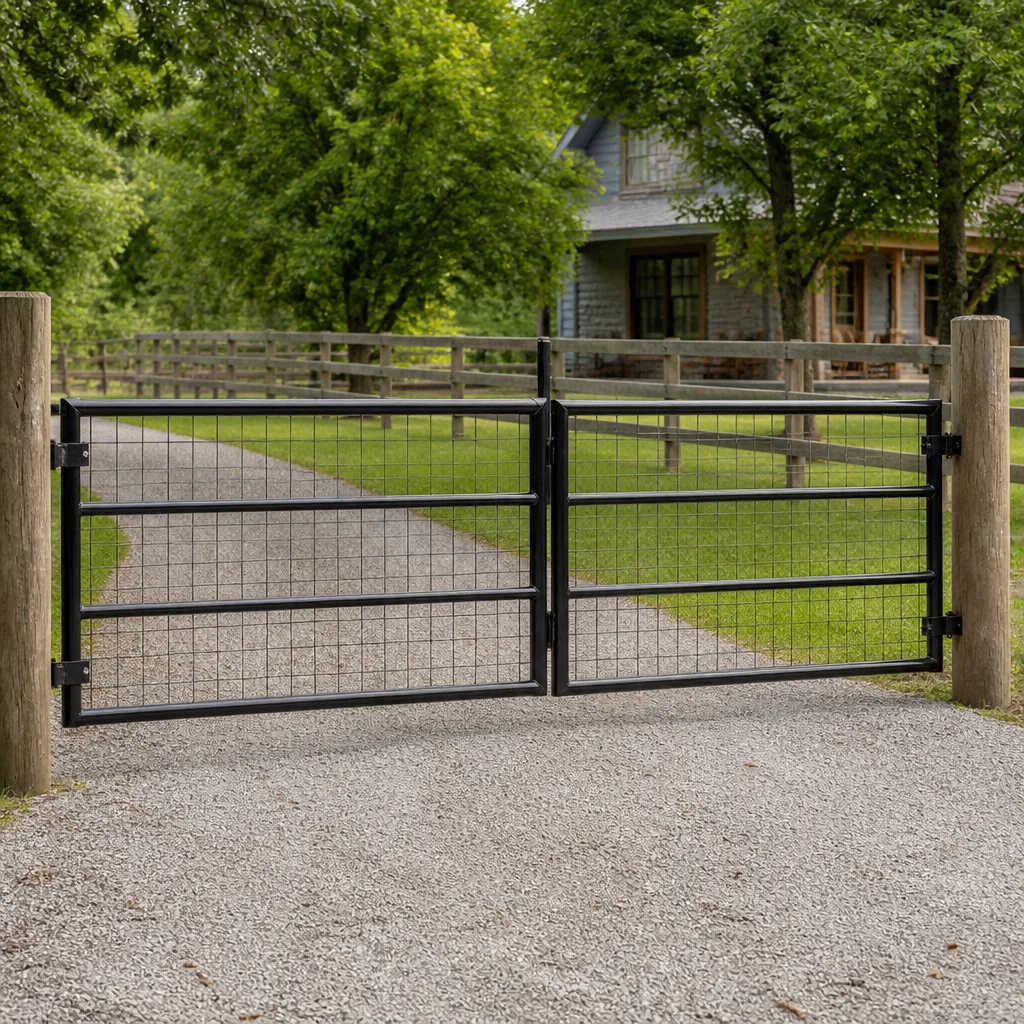 Farm & ranch
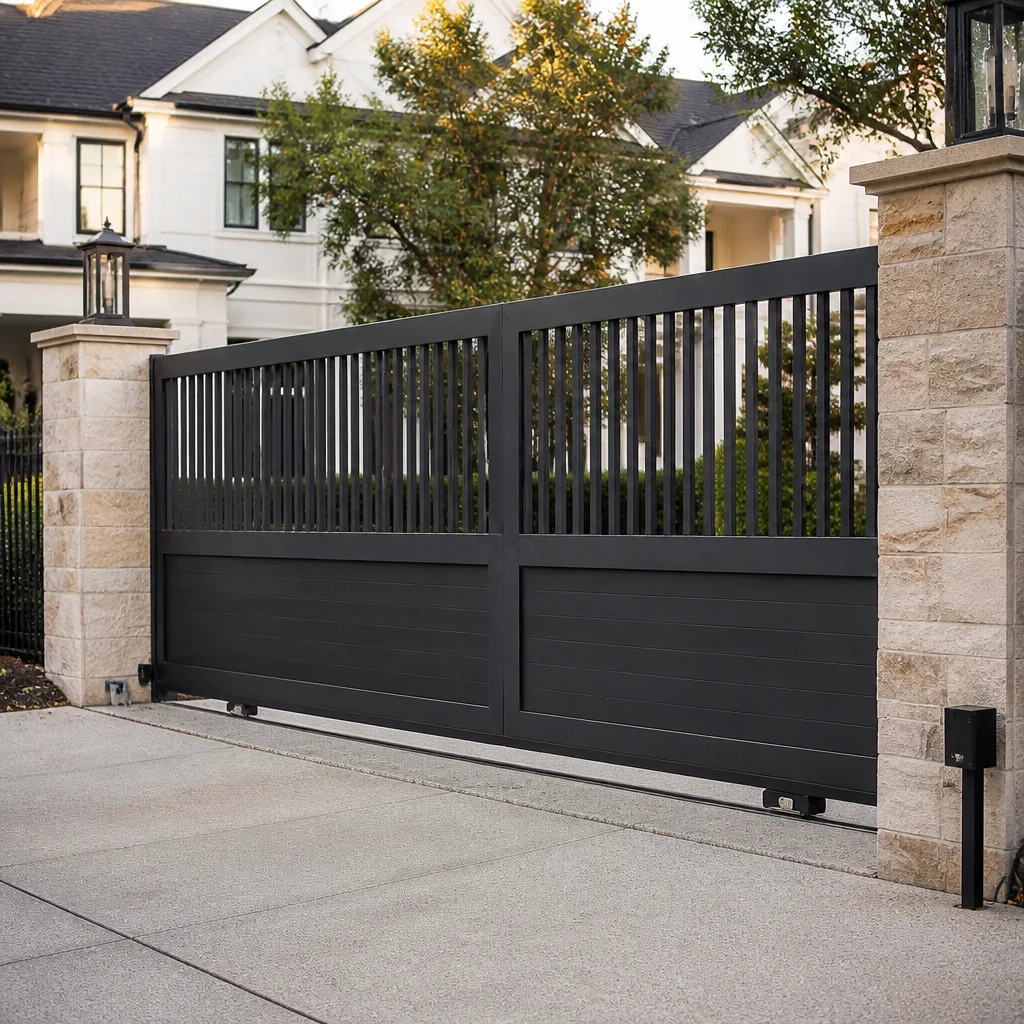 Sliding driveway gates
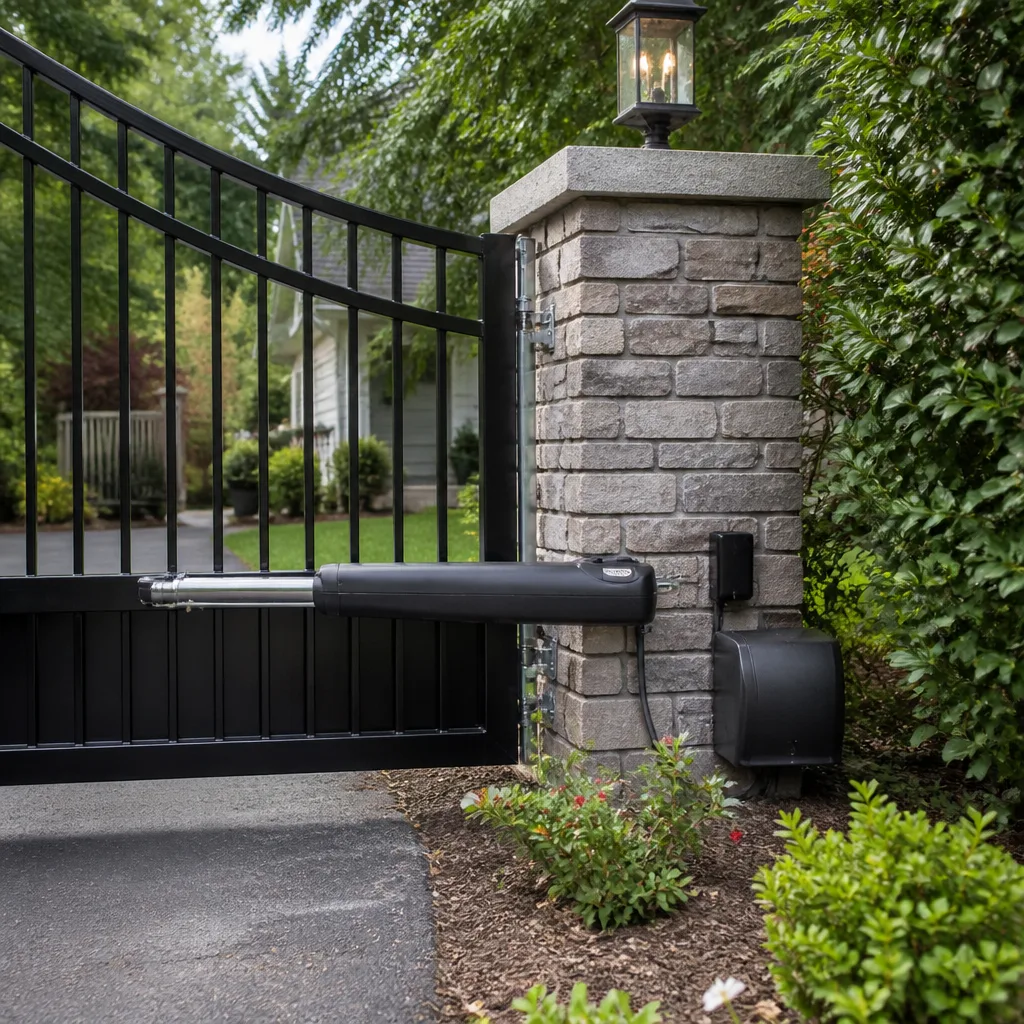 LiftMaster operators
Free on-site gate assessment - hinges, posts, and your LiftMaster or Nice gate operator checked before anything is quoted
The assessment is free and the quote is the invoice.
Get your free estimateGate Repair Warning Signs: A Renton Homeowner’s Reference Guide
Most gate owners treat every odd noise the same way: they wait. But a gate that hesitates for two seconds before it moves isn’t being “slow.” It’s telling you the control board’s capacitor bank is failing and the motor isn’t getting its startup current. That’s a board repair today or a seized motor replacement later. The difference between a cheap fix and an expensive one usually comes down to whether you can tell which symptom points to the drive chain and which points to the operator. This guide maps the visible and audible signals to their actual mechanical or electrical source, so you know what to fix this week and what can wait. If you’re in Renton and your gate is already acting up, the answer is below.
Quick Answer
Gate repair warning signs fall into two groups: symptoms that mean “adjust or service this within the month” and symptoms that mean “the operator will likely fail within days.” Hesitation on startup, a gate that reverses mid-travel, and a motor that hums but doesn’t move point to electrical or control-board failure and need service right away. A rubbing chain, a dragging wheel, or a hinge that squeals points to mechanical wear that can usually be monitored briefly. When in doubt, a symptom that changes how the gate moves outranks a symptom that only changes how it sounds.
Styles & brands we work with
- Wrought iron
- Wood & steel frame
- Farm & ranch
- Sliding driveway gates
- LiftMaster operators
Table of Contents
- The Symptom-to-Cause Matrix: 12 Signals and Their Real Source
- Operator Failure vs. Structural Failure: How to Tell Without Tools
- What Your Gate’s Sound Is Telling You: Chain, Ram-Arm, and Underground Operators
- Which Signs Can Wait 30 Days and Which Need Service This Week
- How to Document Symptoms So a Technician Arrives With the Right Parts
- Why Renton Weather Changes What You Should Watch For
- The Signs You Should Never Investigate Yourself
The Symptom-to-Cause Matrix: 12 Signals and Their Real Source
Here’s the part most checklists miss. A warning sign only helps you if you know what it points to. “The gate is acting strange” tells a technician nothing. “The gate reverses two feet into closing and the obstruction light flashes” tells them the safety loop or photo-eye is faulting. This matrix maps the twelve signals we see most often to the component that usually causes them, so you can describe the problem accurately when you call.
- Gate hesitates one to three seconds before moving. Typically a failing capacitor or weak battery backup on the control board. The motor isn’t getting full startup current. Electrical, not mechanical.
- Motor hums but the gate doesn’t move. The drive has disengaged from the arm or chain, or a gear in the gearbox has stripped. Stop running it; you’ll cook the motor.
- Gate reverses partway through a cycle. Almost always a safety-device fault: a photo-eye knocked out of alignment, a loop detector misreading, or a limit switch set wrong.
- Gate drifts past its open or closed limit. Limit switch or encoder wear. On older ram-arm operators this is common and repairable before it becomes a strike or a gate-against-post slam.
- Operator clicks but nothing engages. Control-board relay failure. Common on older units where the board has taken years of power surges.
- Gate moves in one direction only. One travel limit is stuck, or one side of the motor circuit has failed. Electrical diagnosis required.
- Chain sags or slaps the track. Chain tension, worn sprockets, or a bent track section. Mechanical and usually adjustable.
- Gate drags at the bottom or scrapes the ground. Settled hinge post, worn wheels or rollers, or a footing that has shifted. Structural.
- Hinge squeals loudly during travel. Dry bearings or a worn hinge pin. Clean, lubricate, or replace the pin. Mechanical.
- Operator runs long after the gate has stopped. Limit switch failure. Stop using the gate before the motor burns out.
- Remote or keypad only works from close up. Antenna, receiver, or weak battery. Electrical, not the operator itself.
- Gate sags visibly on one side. Post damage, hinge fatigue, or foundation movement. Structural; the operator is usually fine.
Read that list against your gate and you’ll usually find your symptom. The point isn’t to fix it yourself. The point is to know whether you’re calling about an electrical problem or a mechanical one, because those get scheduled and stocked differently. Our technicians have up to 8 years of experience, and after that long a clear symptom report means we arrive with the right board, the right gearbox, or the right hinge pin on the first visit.
Operator Failure vs. Structural Failure: How to Tell Without Tools
The single most useful distinction in gate repair is between a problem inside the operator and a problem in the gate itself. You can make that call with your hands and your eyes, no tools required. It changes who you call and how much you should expect to spend, and it keeps you from buying a new operator when the real issue is a settled hinge post.
Testing for operator-side failure
Put the operator in manual release, the lever or key that disengages the motor. Then swing or slide the gate by hand.
- If the gate moves freely by hand but not by motor, the problem is in the operator: control board, motor, capacitor, limit switch, or wiring.
- If the gate is stiff or binds by hand, the problem is structural: hinges, track, wheels, or a shifted post.
- If the gate moves freely in one direction and binds in the other, suspect a bent track, a damaged wheel, or a leaf out of plumb.
That one test tells you more than any list. It’s also the first thing a technician does on-site, which is why knowing the answer before the call saves time.
Structural signs that mimic electrical problems
A gate that stops partway and reverses can look like a control-board fault when it’s actually the operator hitting an unexpected load: a wheel that’s climbed out of its track, a hinge that’s frozen in cold weather, a post that’s settled a quarter inch. On sliding gates, a bent bottom track is one of the most misdiagnosed failures in the trade. On swing gates, a single failed hinge pin can produce a symptom list that looks identical to a bad motor. When a safety device trips on a gate that binds in one spot, you get a reversing gate and a customer convinced the board is dead.
That’s why a proper diagnosis starts with the manual-release test before anyone touches the control panel. Anyone who skips that step is guessing.
What Your Gate’s Sound Is Telling You: Chain, Ram-Arm, and Underground Operators
Every operator type has its own healthy sound, and its own failure sounds. If you know what your gate should sound like, the change is the warning. This is one of the fastest ways to catch a problem early, because sound changes before motion does.
Chain-drive slide gates
A healthy chain-drive gate produces a steady, even whir with a light chain tick at consistent intervals. Warning sounds:
- Rhythmic clicking that speeds up with travel: a worn sprocket or a stiff chain link. Service within the month.
- A slap or slap-scrape on acceleration or deceleration: chain tension is off. Loosen-too-loose is the common one. Address soon; a thrown chain can damage the operator housing.
- Grinding under load: gearbox wear inside the operator. Stop running the gate.
Ram-arm swing operators
A ram-arm operator sounds like a low, even hydraulic or screw-drive hum. Warning sounds:
- Clunk at the start and end of travel: limit switches out of adjustment or worn bushings at the arm pivot.
- Groan that only appears in cold weather: hydraulic fluid thickening or a bearing drying out. Watch it through the winter; if it stops groaning in spring, you have a lubrication issue; if it doesn’t, you have a bearing issue.
- Rattle at both ends of travel: worn bushings on the gate leaf. Mechanical; not the operator.
Underground and in-ground operators
These are the quietest operators and the hardest to diagnose from sound because the mechanism is buried. What you listen for instead:
- Gurgling or fluid smell near the leaf: hydraulic fluid leak in the underground case. Pull the gate from service; this is not a “wait and see” sign.
- A strained whine that wasn’t there before: motor or gearbox failing under a load it used to handle. Diagnosis requires opening the case.
Brands differ too. A Mighty Mule and a LiftMaster don’t sound the same even when both are healthy, and a BFT actuator has a specific pitch change when the gearbox is going. We work with these brands regularly, and knowing what “normal” sounds like for each one shortens diagnosis from hours to minutes.
Which Signs Can Wait 30 Days and Which Need Service This Week
Not every symptom deserves a same-week call. Some are safe to watch; some are a security gap the moment they appear. This section gives you the split, so you don’t spend money on a nuisance and don’t sit on a real problem.
Safe to monitor for up to 30 days, with notes
- Hinge squeal that hasn’t changed the gate’s travel. Note the pitch and frequency, lubricate if you can reach it safely, and call if the noise returns within a week.
- Chain noise that’s steady and doesn’t get worse across several weeks. A chain that gets louder on its own is a different story.
- Remote working only at close range. Usually an antenna or battery issue, and not a safety concern.
- Cosmetic dents to the operator housing with no change in motion. Watch for leaks or new noises.
- Slow starting in cold weather on a gate that runs fine by midday. Cold-weather lube stiffening; watch through the season, call in spring if it persists into warmer days.
Needs service this week
- Reversing mid-travel. A safety device is faulting, and the gate is failing open or failing to close. That’s a security gap.
- Motor hum with no movement. Every cycle does damage. Stop the gate and call.
- Gate drifting past its limit. It will eventually hit a strike, a post, or a pedestrian. This is the point where mechanical damage turns into structural damage.
- Operator running after travel stops. Same reason: the motor is burning itself out every cycle.
- Leaking or gurgling underground operator. Fluid loss destroys the unit; there’s no watching this one.
- Gate that moves in one direction only. You’ve lost half your function and the cause is usually repairable quickly.
The rule of thumb
If the gate still moves the way it always did and the change is only in how it sounds or how loud the squeak is, you can watch it. If the gate moves differently than it used to, or the operator behaves differently, treat it as urgent. Security gates fail silently. A gate that suddenly reverses when it used to close cleanly is telling you a safety device has gone down, and that’s a security gap you close this week, not next month.
We answer 24/7. Fast dispatch from 7am to 7pm, Sunday through Friday. When your gate is failing open in a Renton driveway, that call is the difference between a repair and a replacement.
How to Document Symptoms So a Technician Arrives With the Right Parts
Half of the reason a gate repair takes two visits instead of one is that the first visit is diagnosis-only, then a part gets ordered. That’s normal for complex systems and it’s avoidable for common ones. Good documentation means the technician shows up with the right board, gearbox, or safety device already in hand. Here’s how to document your gate’s symptoms in a way that pays for itself.
A six-step symptom capture method
- Identify the operator brand and model. It’s on a label inside the housing. If you can’t read it safely, photograph the label and send it when you call. Brand and model tell us which failure modes are common for that unit and which parts we’ll likely need.
- Note the operator type. Chain-drive slide, ram-arm swing, or underground. That single fact determines what we’d bring the first time.
- Record what happens when you press the remote. Nothing at all? A click? A hum? Partial travel? Reversal? The specific sequence narrows the cause faster than anything else.
- Do the manual-release test. Does the gate move freely by hand, bind, or stick in one direction? Note it in one sentence. This is the single most useful fact in your report.
- List every safety device and its behavior. Photo-eyes, safety edges, loop detectors. Note any flashing indicator lights on the operator and their count if you can see them.
- Describe the timeline. Did the symptom start suddenly, build over weeks, or appear after a storm, power outage, or cold snap? Timeline tells us whether we’re looking at wear, damage, or a surge.
What to send us when you call
A short text with the brand, model, operator type, the behavior on command, and a photo of the label inside the housing covers most of what we need to arrive prepared. Photos of the control board help too, especially the LED indicators, which show fault codes on many brands. This is where brand familiarity earns its keep: knowing the quirks of a DoorKing entry system or a BFT actuator means the report translates directly into a parts list rather than a first visit that turns into a diagnosis-only trip.
Why Renton Weather Changes What You Should Watch For
Renton sits in the Puget Sound lowland, which means wet winters, damp shoulder seasons, and a lot of days where the ground stays saturated for weeks. That matters for gate systems in ways that don’t show up in a generic checklist. Moisture and freeze-thaw cycles change which warning signs you should watch, and when.
Winter and wet-season signals
- Cold-weather binding on swing gates. Wet wood or old grease stiffens when temperatures drop. A gate that binds in a cold snap and frees up by afternoon is a lubrication or clearance issue, not an operator failure.
- Photo-eye and safety-edge faults after rain. Water in a connection box short-circuits a safety device. Wet-season reversing is common and worth diagnosing quickly, because a gate that fails to close in winter is a genuine security concern.
- Sliding gate track pooling. A bottom track that holds water accelerates wheel wear and can freeze overnight. Watch for scraping at the base after wet weather.
- Underground-operator water intrusion. A crack in the case or a failing gasket lets water in. Listen for gurgling and check for fluid loss; this one doesn’t wait.
Spring and fall maintenance points
Late spring is the good time for the once-a-year check: clear debris from the track, lubricate hinges if you can reach them safely, and test every safety device. Fall is when you look for the things that will fail in winter: dry bearings, worn bushings, and loose chains. Neither is a plan or a service contract. It’s a one-time look at the gate, priced per job by written estimate once we’ve seen the system. If that inspection turns up a symptom from this guide, you’ll know which category it’s in.
Renton properties with heavy tree cover also see a lot of debris in tracks and photo-eye paths. Cleaning the path of the photo-eye is the single most common fix for “the gate won’t close” during wet months, and it’s a safe check for most homeowners.
The Signs You Should Never Investigate Yourself
Some gate problems are tempting to look at and genuinely dangerous to touch. An automated gate runs on mains power, holds a heavy leaf under load, and can crush fingers, hands, or worse if it moves while you’re in the path of travel. A real gate specialist will tell you which signs to leave alone, and this is the short list.
- Anything involving the operator wiring, control board, or power supply. The control box is powered by line voltage even when the gate isn’t moving. Don’t open it.
- A gate stuck partway that won’t respond to commands. Don’t try to push it back into position while it’s under power. Release it to manual only if you know where the release is and the gate can’t move unexpectedly.
- A sliding gate that has come off its track. A heavy leaf off-track can drop, and the counterbalance may have shifted. This is not a “lift it back on” job.
- Any sign of a hydraulic fluid leak on an underground operator. Fluid is under pressure, and the case needs proper handling to avoid injury and further damage.
- Safety devices that fail their test. If a photo-eye or safety edge fails to reverse the gate, stop using the automated function. Running a gate with a dead safety device regularly is the highest-risk scenario on any property.
Our technicians have up to 8 years of experience and work in Renton, so we’ve seen how these gates fail in real local weather and how many of those failures could have been caught weeks earlier with a proper symptom report. Nothing in this guide is a substitute for a trained hand on the actual system. If a sign falls in the “leave it alone” list above, call instead of checking.
Common Mistakes to Avoid
- Treating every noise as urgent. A hinge that squeals hasn’t compromised your operator. You’ll spend money on a nuisance and possibly put off fixing the real problem. Read the matrix first and match your symptom.
- Ignoring a hesitation because the gate still works. That two-second delay is a failing capacitor, and every cycle with weak startup current strains the motor. What looks like a nuisance is a countdown.
- Running a gate that hums but doesn’t move. The motor is stalling under load and heating up. You are actively converting a repair into a replacement with every cycle.
- Assuming a reversing gate needs a new control board. In our experience, most reversals come from safety devices, loop detectors, or photo-eyes out of alignment. Diagnose the safety chain before pricing the board.
- Skipping the manual-release test. Without releasing the operator and moving the gate by hand, you can’t tell a mechanical problem from an electrical one. That one test is the difference between the right call and a wrong one.
- Calling with “it’s broken” and no details. Brand, model, operator type, and behavior save a return visit. A photo of the housing label is worth three minutes of description on the phone.
- Waiting until the wet season to check safety devices. Renton winters trip more safety devices than any other season, and the failure always shows up the first day you need the gate closed. Test in fall, not during the storm.
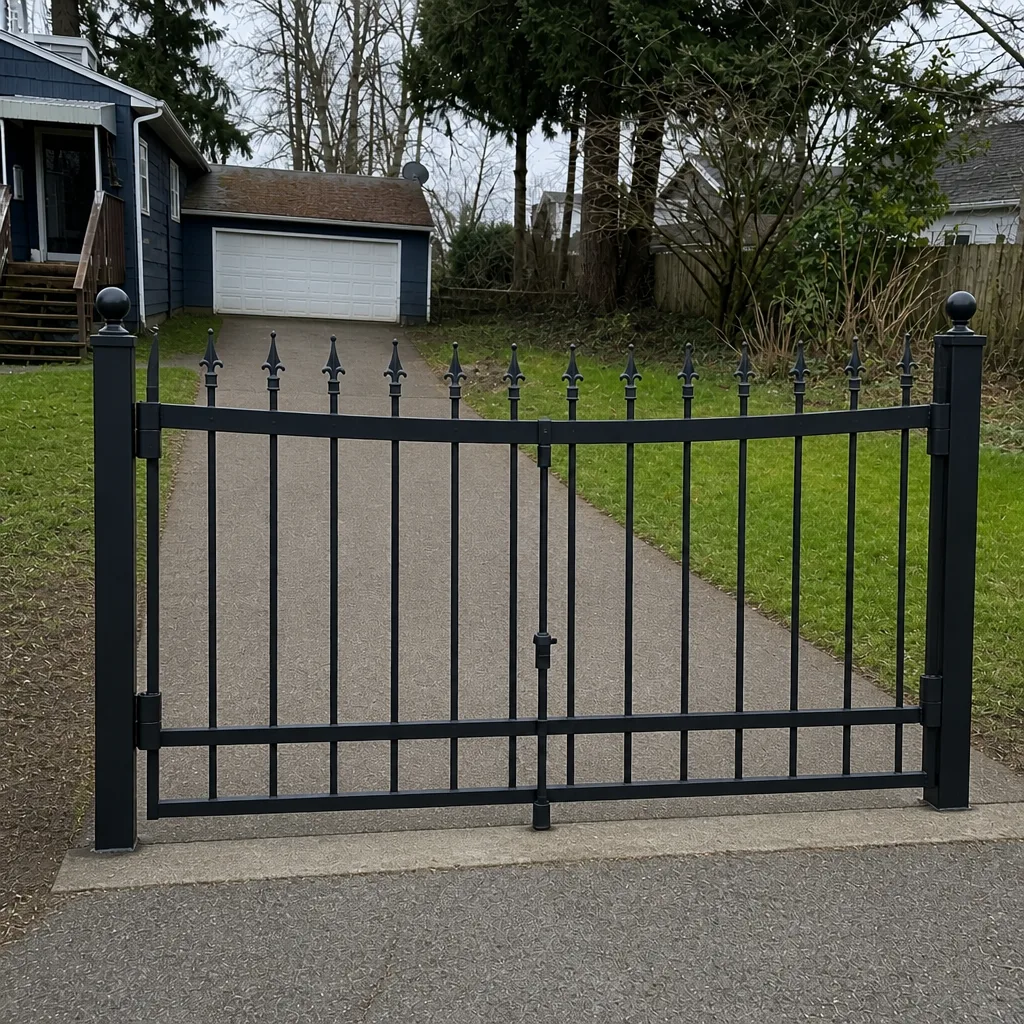
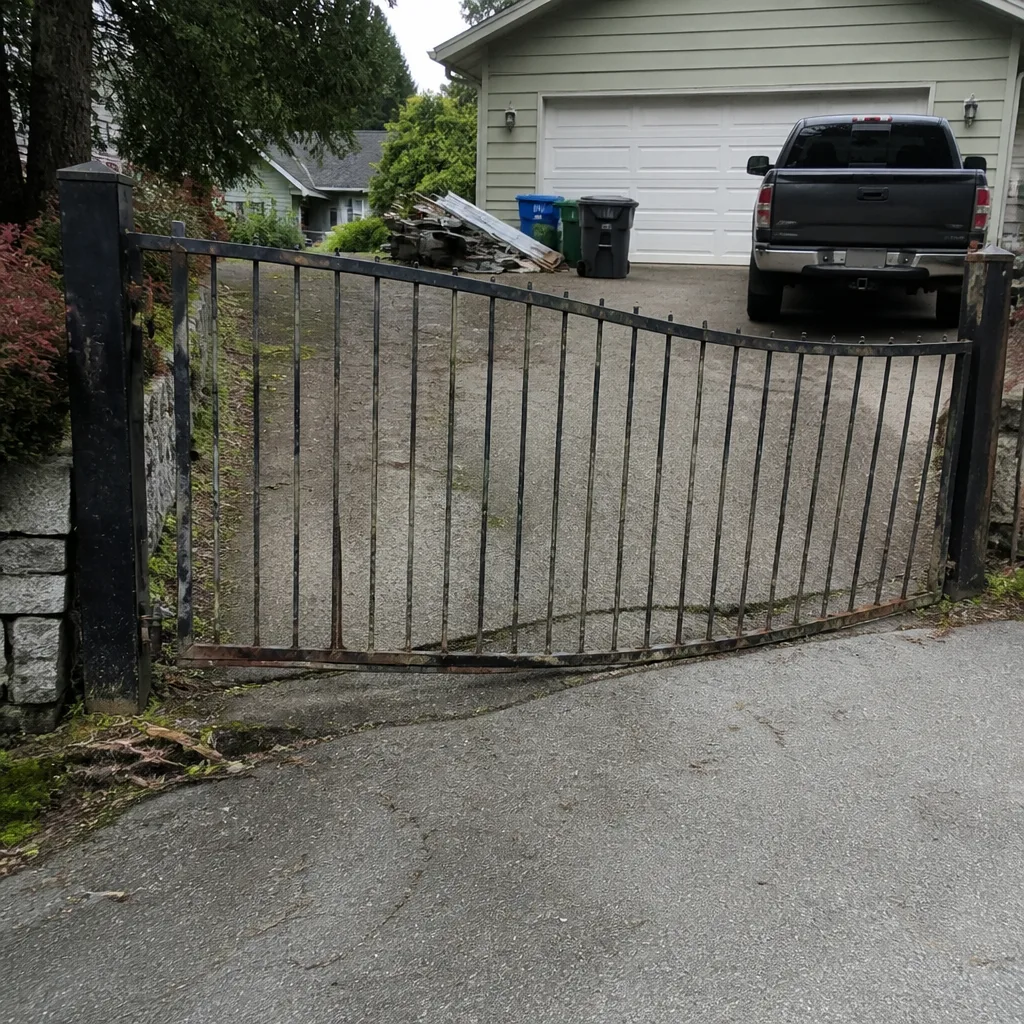
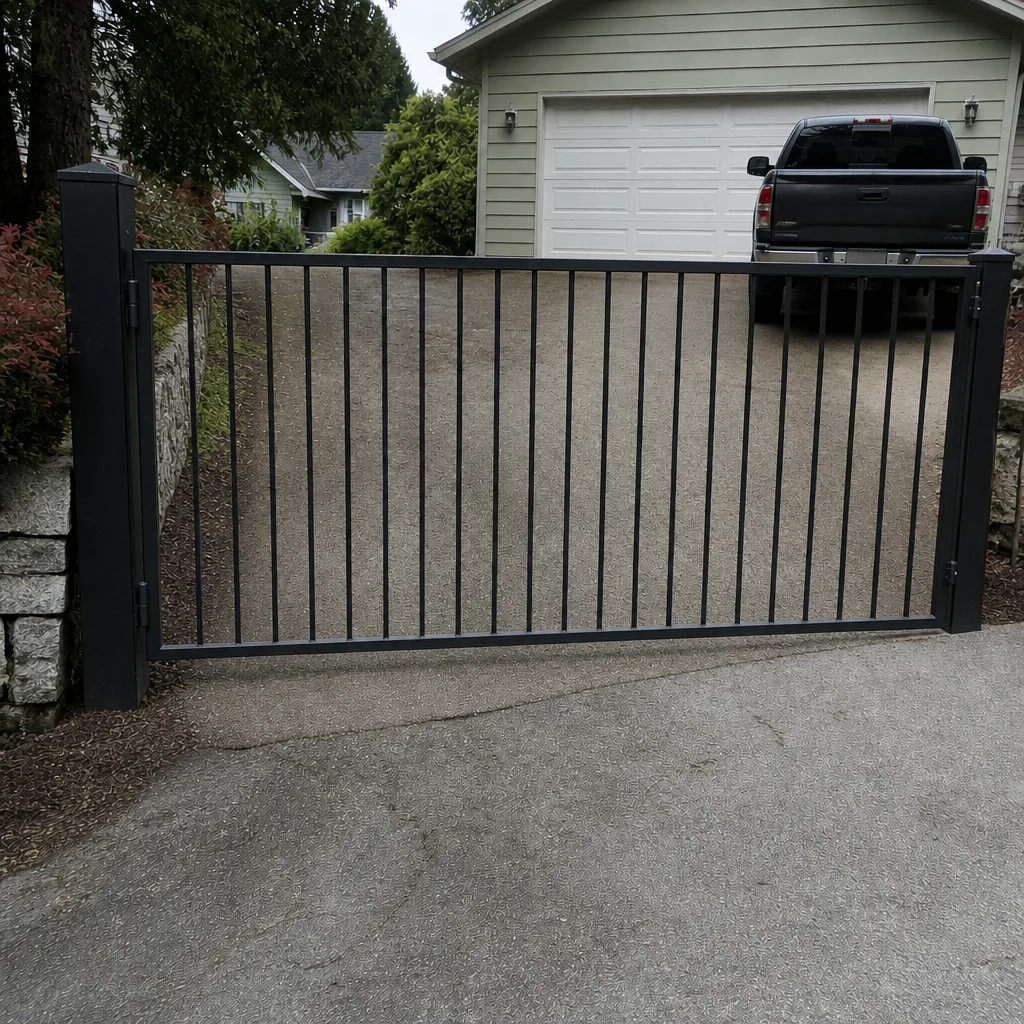
See the difference
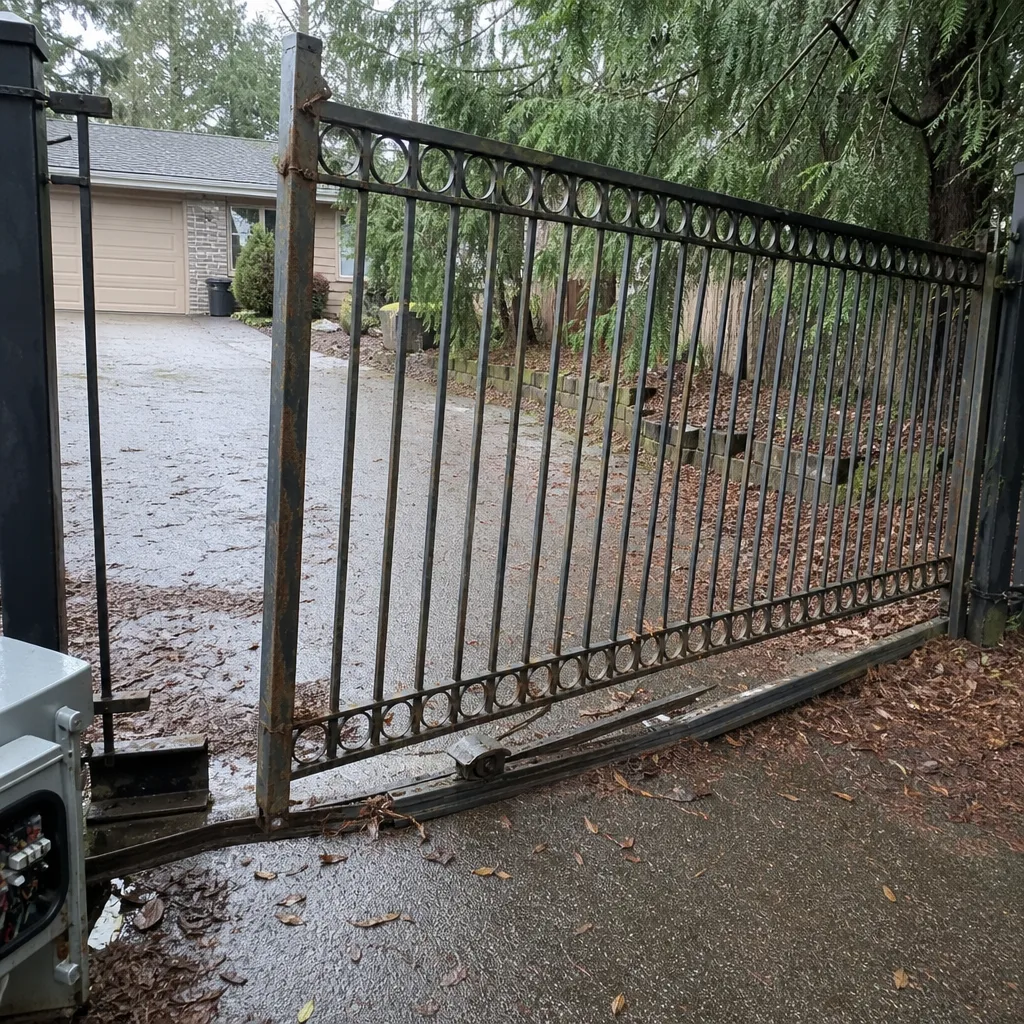 Before
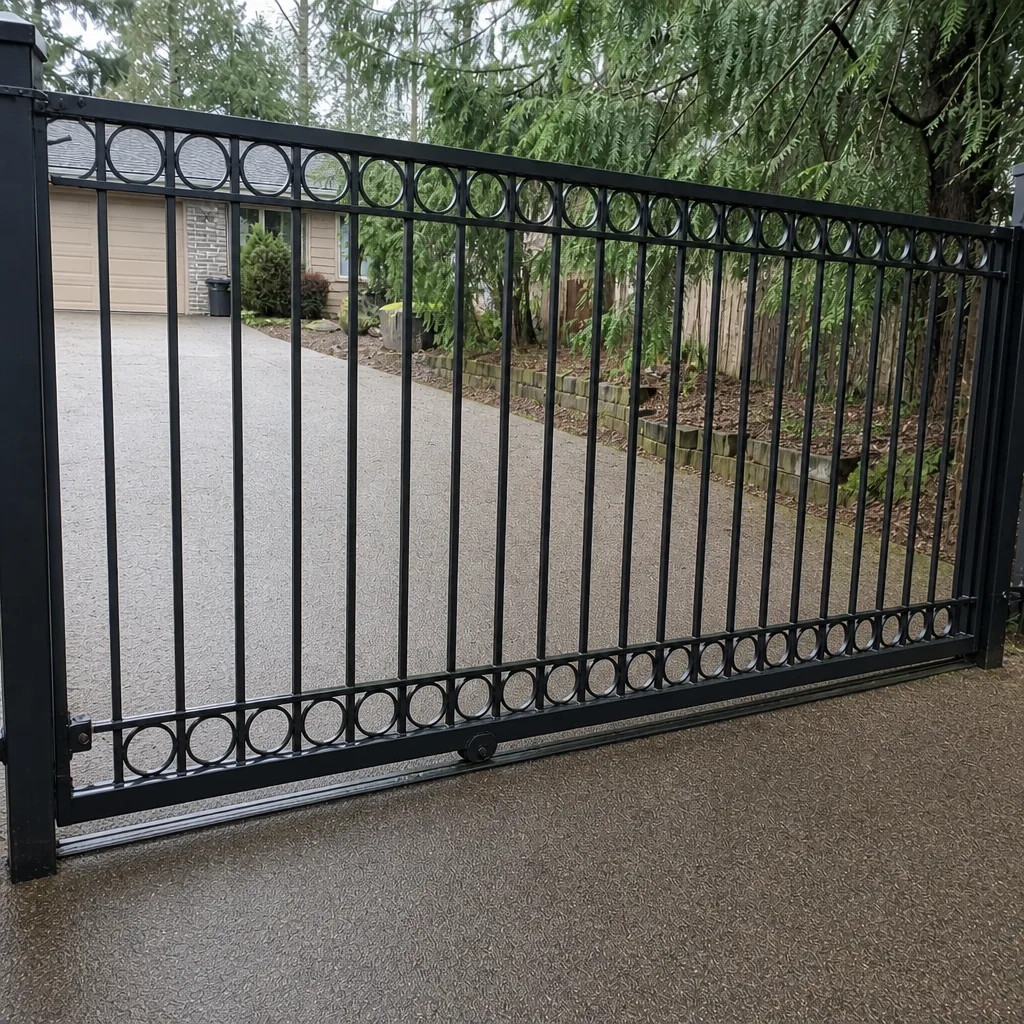 After
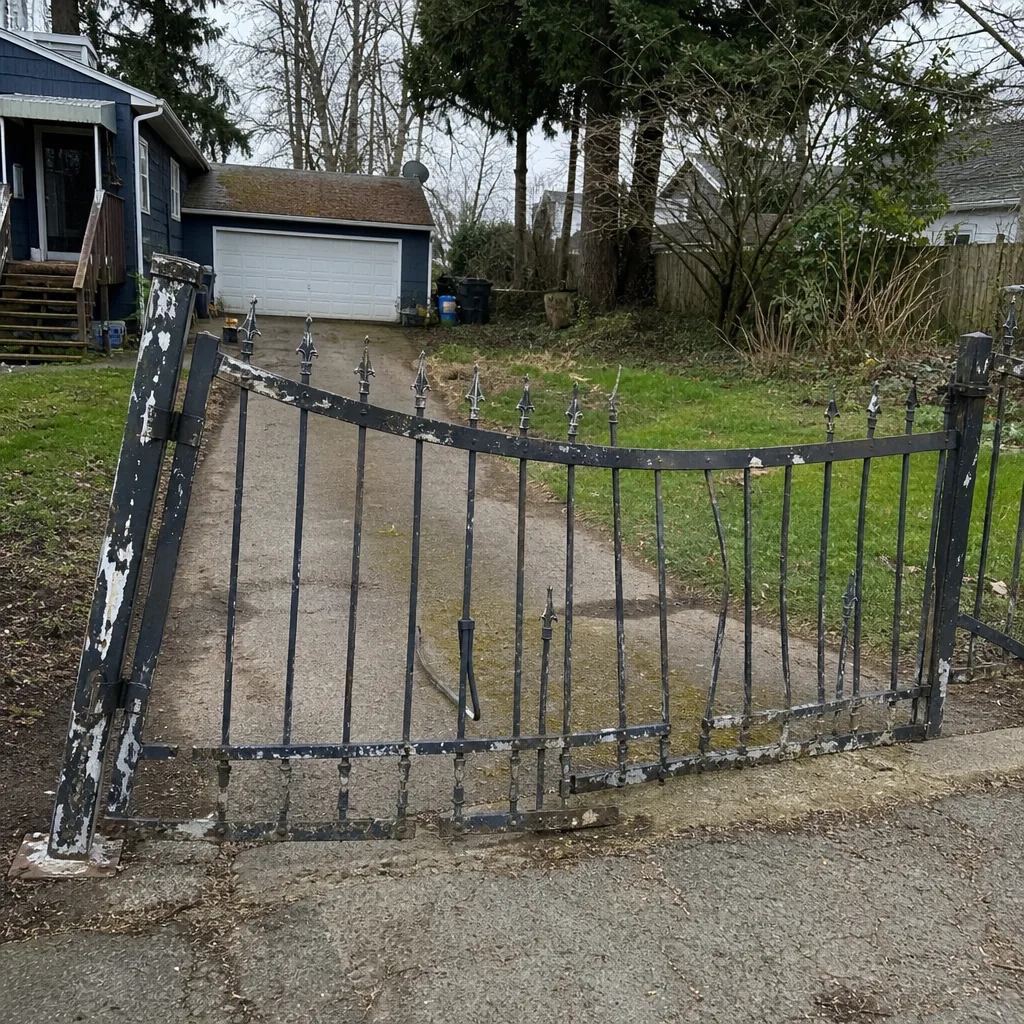 Before
 After
 Before
 After
When to Call a Professional
Call a professional when the gate moves differently than it used to, when the operator hums or clicks without moving the gate, when the gate reverses mid-travel, when a safety device fails its test, or when you see or smell hydraulic fluid near an underground operator. Also call if a slide gate has come off its track or if a gate is stuck partway and won’t respond. These are all signs that the failure is either electrical or heavy enough to be dangerous to move by hand. For a slow-starting gate, a single unexplained click, or a reversing travel fault you can’t pin down, a same-day diagnosis is the difference between a small repair and a replacement. If you’re in Renton and want a straight answer on which category you’re in, call us and describe the symptom. We’ll tell you what we think it is and how quickly it needs attention.
Gate Repair Renton offers free estimates in Renton. Call (866) 293-5161. We answer 24/7. Fast dispatch from 7am to 7pm, Sunday through Friday.
Frequently Asked Questions
The most common are hesitation on startup, a motor that hums without moving the gate, reversing mid-travel, and the operator running after the gate has stopped. Each points to a specific cause: capacitor or board on startup hesitation, drive disengagement or a stripped gear on hum-without-motion, a safety-device fault on reversal, and a limit switch on overrun. Call (866) 293-5161 for an exact diagnosis; estimates are free.
Put the operator in manual release and move the gate by hand. If it moves freely but not under power, the problem is the operator. If it binds or sticks, the problem is structural: hinges, track, wheels, or a shifted post. That one test separates the two causes faster than anything else you can do without tools.
Sometimes. A hinge squeal, steady chain noise, or a remote that only works close up can usually be monitored for up to 30 days. A reversing gate, a motor that hums without moving, and any hydraulic leak should be seen this week. The rule is simple: if the gate’s motion has changed, don’t wait.
We service LiftMaster, FAAC, BFT, Linear, Viking, Ghost Controls, DoorKing, Elite, and Mighty Mule. Brand familiarity matters because a BFT actuator and a DoorKing entry system have very different failure modes. Describing your brand and model when you call lets us arrive with the right parts. Call (866) 293-5161 for a free estimate.
Wet weather is the most common trigger for safety-device faults in Renton. Water gets into a photo-eye connection box, or a loop detector misreads, and the gate reverses because it thinks something is in the path. Clear any debris from the photo-eye path first; if the problem continues, it needs a technician to test the safety chain properly.
Yes, and you should. Once a season, block the photo-eye beam while the gate is closing and confirm the gate reverses. On a safety edge, press the edge gently and confirm the gate stops. What you should never do is open the operator housing or handle wiring yourself. Line voltage stays live in the control box, and gate parts under load can cause serious injury. If a safety device fails its test, stop using the automated function and call.
The Bottom Line
Gate warning signs are only useful if you can read what they point to. Hesitation, hums without motion, mid-travel reversals, and operator overrun are electrical or control failures and usually mean service this week. Squeaks, chain noise, and cosmetic damage are mechanical and can be monitored for a short while. The manual-release test is the fastest way to tell which side of that line you’re on, and a brand-and-model report with a photo of the housing label is the fastest way to get the right parts on the first visit. Renton’s wet winters push more of those symptoms into the safety-device column, so test those devices before the storms arrive. When in doubt, call.
Call Gate Repair Renton at (866) 293-5161 for a free estimate. We answer 24/7. Fast dispatch from 7am to 7pm, Sunday through Friday.
Written by the team at Gate Repair Renton.