
Last updated November 15, 2026
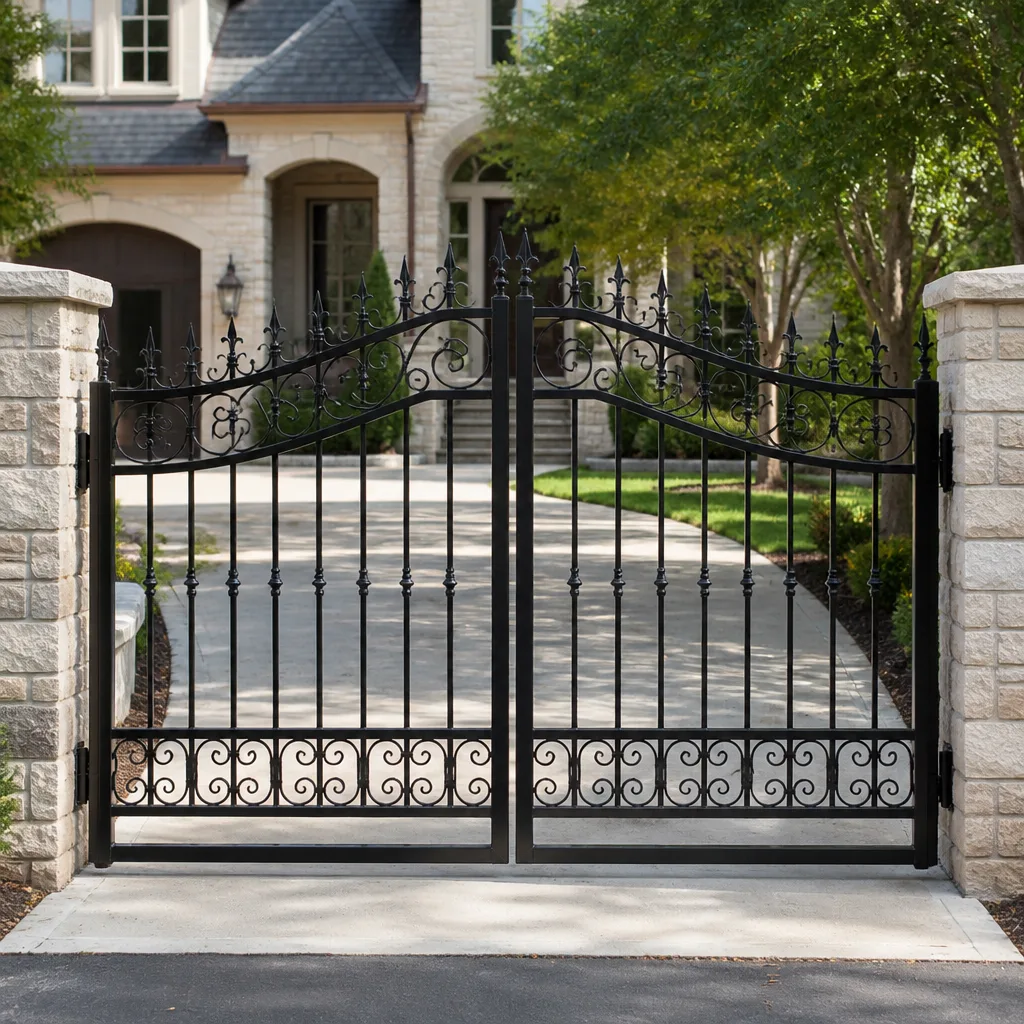 Wrought iron
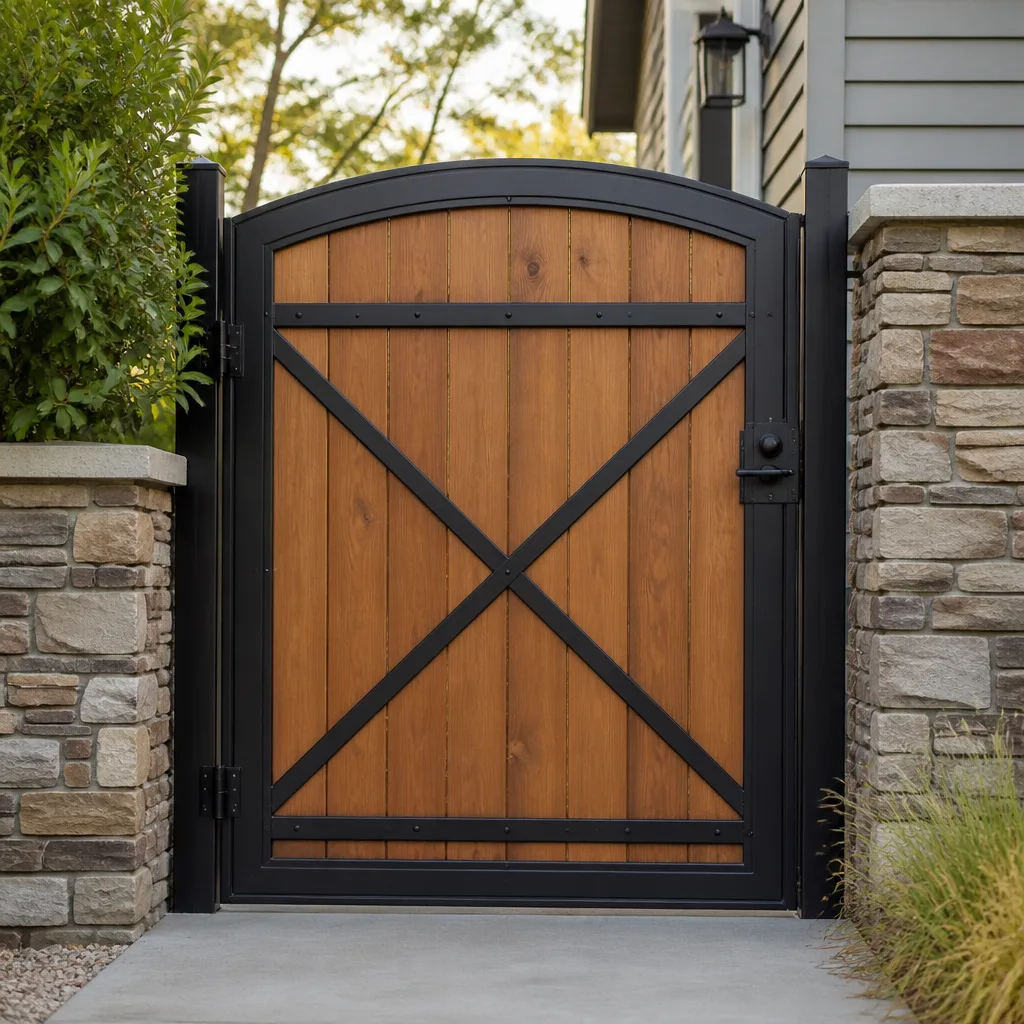 Wood & steel frame
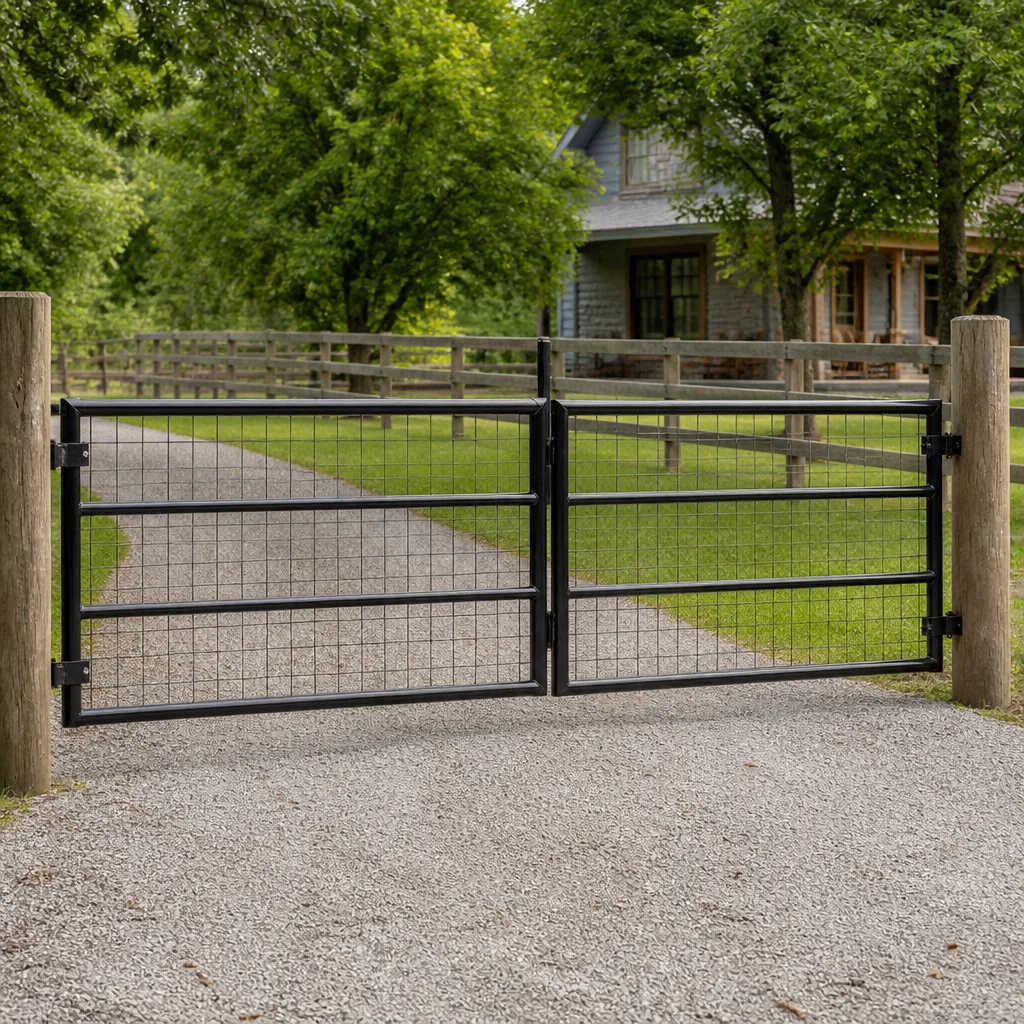 Farm & ranch
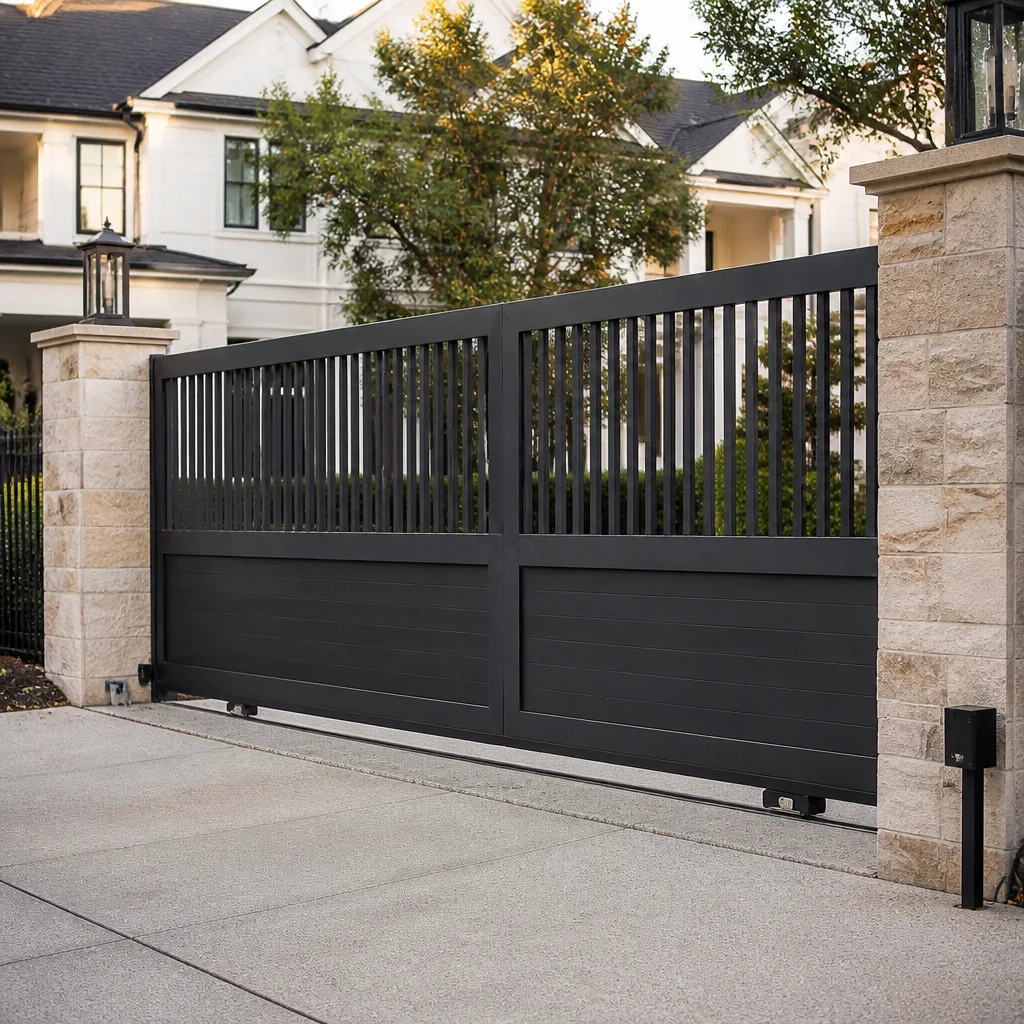 Sliding driveway gates
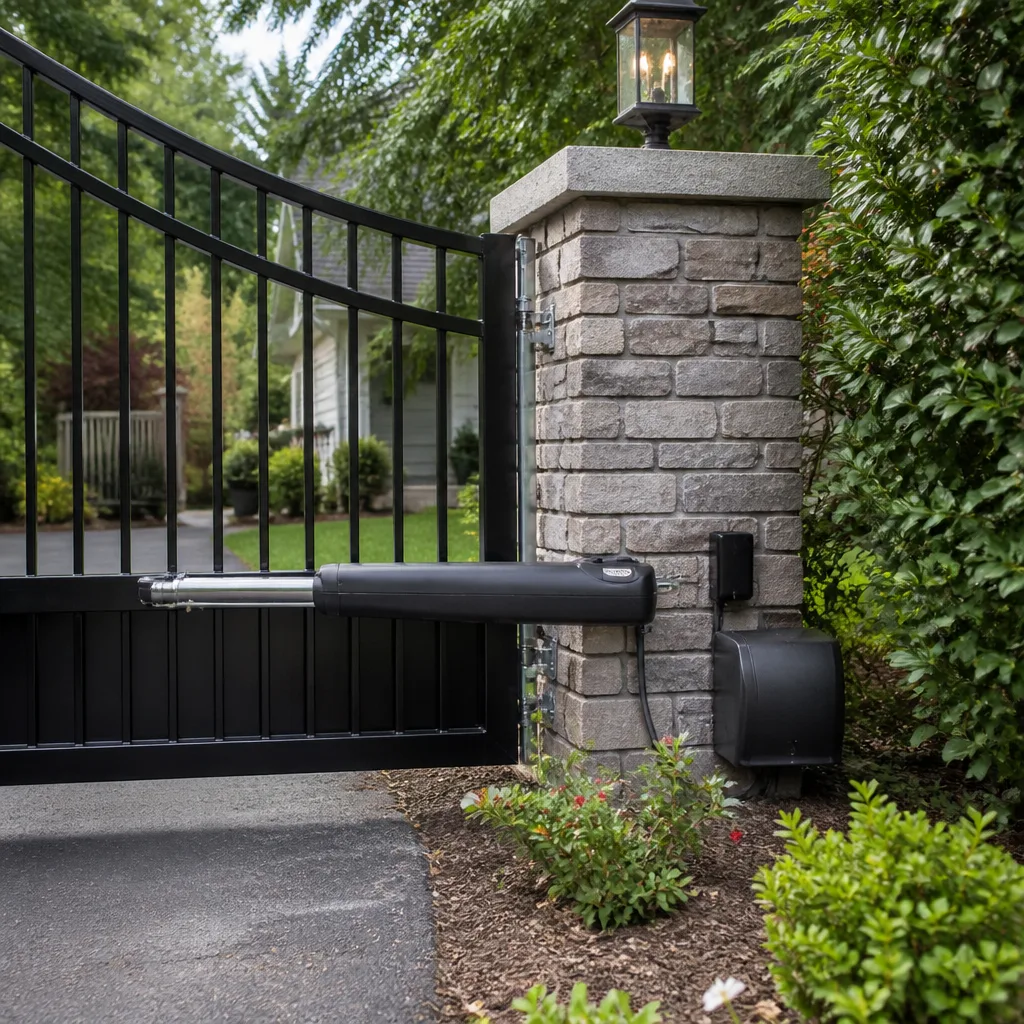 LiftMaster operators
Free on-site gate assessment - hinges, posts, and your LiftMaster or Nice gate operator checked before anything is quoted
The assessment is free and the quote is the invoice.
Get your free estimateGate Repair Emergency Preparedness Guide for Renton Homes
Most gate advice focuses on the inconvenience: the car stuck in the driveway, the delivery left at the curb, the walk from the street to the front door. That’s the wrong frame. A gate that fails closed is a hassle. A gate that fails open is an open door with no lock, and every minute it sits open counts against you. In Renton, a technician’s arrival window is measured in hours, not minutes, so the real question is what you do in that window. This guide covers the protocols that matter before anyone arrives: manual release by brand, securing a gate stuck open, power-outage behavior, the details that get the right parts on the truck, and a reference card you can fill out tonight.
Quick Answer
If your automatic gate fails, locate the manual release on your operator first, secure the gate physically if it is stuck open, then call with your operator brand and model in hand. Every residential and commercial operator sold in Renton has a manual release, and knowing where it is before a failure turns a security breach into a controlled situation. We answer 24/7 and dispatch technicians Sunday through Friday, 7am to 7pm. A call outside dispatch hours is booked into the next opening.
Styles & brands we work with
- Wrought iron
- Wood & steel frame
- Farm & ranch
- Sliding driveway gates
- LiftMaster operators
Table of Contents
- Why a Gate Stuck Open Is a Security Event
- Manual Release Procedures by Operator Brand
- How to Physically Secure a Gate Stuck Open
- Power Outage Protocols: Battery Backup vs. External UPS
- What to Have Ready When You Call
- The Failures We See Most in Renton
- Your Printable Emergency Reference Card
- How Renton’s Climate and Terrain Wear on Gate Hardware
Why a Gate Stuck Open Is a Security Event
A gate stuck closed keeps your car in. A gate stuck open keeps the whole property exposed, and that exposure lasts until a technician arrives and finishes a repair. On a typical emergency call, the gap between the failure and a completed diagnosis is a multi-hour affair, longer if the operator brand is unfamiliar or a part needs to be sourced. In our experience, the homeowners who handle gate failures best are the ones who prepared for them in advance, not the ones who happened to be home when it broke.
Three things separate a household that handles a gate emergency well from one that doesn’t:
- They know where the manual release is before they need it, and they’ve actually tested it once.
- They have a physical way to secure the gate while it sits open, whether a chain, a padlock, or a temp brace.
- They have the operator brand, model, and installer contact written down in one place, so the first call gets the right information to the technician.
Gate systems are mechanical, electrical, and load-bearing all at once. The part that fails is almost always one of a small handful: a control board, a limit switch, an actuator, a loop detector, or a battery. A gate that stops mid-cycle and refuses to move in either direction is usually a control board or a safety sensor. A gate that reverses repeatedly is usually a loop detector or a photo-eye. A gate that drifts open a few inches and then stops is almost always a limit switch that has slipped out of position. Knowing the signature narrows the diagnosis before anyone has to open the housing.
If you’re not sure where your gate falls on the repair-versus-replace spectrum, that’s a conversation worth having before a failure, not during one. Our Gate Repair Renton team can walk you through what your system can realistically handle. The main point: treat gate emergencies as security events, because they are.
Manual Release Procedures by Operator Brand
Every gate operator we work with has a manual release mechanism, and the location varies by brand. Knowing where yours is, and how it engages, is the single most useful piece of emergency preparedness you can do for your gate. Here’s how the release works on the six most common operator families we see in Renton.
LiftMaster and Elite (residential swing and slide operators)
LiftMaster and Elite residential operators typically use a keyed manual release cylinder on the operator housing, or a release lever on the arm mechanism for swing gates. Turn the key, pull the handle, and push the gate by hand. On some Elite models the release is a pin you pull from the top of the housing. Find yours now, while the gate is working: turn the key, feel where the resistance sits, and know what it takes to disengage. Then reset it and confirm the gate re-engages and cycles normally.
FAAC (residential and light commercial swing)
FAAC swing operators use a release lever or key-operated release built into the case, usually on the underside or back of the housing near the motor. On the 400-series and 390-series units common on Renton residential properties, the release is a small triangular key that disengages the hydraulic or electromechanical drive from the leaf. On heavier FAAC commercial swing gates, the release may be a mechanical bypass accessible with a hex key or a hand pump on hydraulic units. The release is not always on the same side the power runs; check both.
BFT (hydraulic and electromechanical swing and slide)
BFT operators are often hydraulic on residential gate installations, and hydraulic releases are the ones people get wrong. On BFT hydraulic units, the manual release is a bypass valve or a keyed release that opens the fluid circuit so the gate can be pushed by hand. Push too hard on a hydraulic unit with the release closed and you’ll damage the actuator. Locate the release key or bypass screw (it’s usually under a cover plate on the housing) and confirm the exact procedure for your model before you need it. Our electric gate repair technicians have worked enough BFT actuators to know which models release easily and which need a specific sequence.
Linear (slide and swing)
Linear slide operators typically use a release lever at the back of the housing near the manual override. Some models have a keyed release, others a pull handle that disengages the drive gear. On Linear swing operators, the release is usually a key on the arm mount. Pull the lever or turn the key, then push the gate slowly. If it doesn’t move cleanly, stop: forcing a release almost always means the release wasn’t actually engaged.
Viking (residential swing and slide)
Viking operators commonly use a keyed release on the side of the housing or a lever at the base of the arm. Viking’s residential swing gates tend to have the release mechanism accessible from the inside of the property, which is worth knowing if you approach from the driveway. On Viking slide operators, the release is typically a lever on the housing or a chain override. Test it once in good weather and write down where it is.
Mighty Mule and Ghost Controls (residential swing, DIY-installed)
Mighty Mule and Ghost Controls operators are the most common residential swing gate brands in the neighborhoods off Petrovitsky Road and up toward Fairwood, and they’re the ones most often installed by a homeowner rather than a professional. The manual release on both is usually a keyed release cylinder on the operator arm housing. Some Mighty Mule models use a pull pin on the arm mount rather than a keyed release. Because these units are often installed without a documented release procedure left behind, this is exactly the brand family where writing the procedure down matters most.
DoorKing (multi-tenant and commercial)
DoorKing operators on HOAs and commercial properties in Renton almost always have a manual release, but the property manager, not the gate, usually holds the key. If you manage a multi-tenant property with a DoorKing system, confirm the release location and the key custody in writing before a failure. On a weekend or after dispatch hours, a gate stuck open on a DoorKing system without a verified release procedure is the hardest call we get. One conversation with property management up front removes that entire failure mode.
How to Physically Secure a Gate Stuck Open
If your gate is stuck in the open position and you can’t get a technician out immediately, your job is to close it as best you can and keep it closed. That doesn’t require disassembling anything, and it doesn’t require you to touch the operator. It requires a chain, a padlock, and a little planning.
The safest approach to securing a gate stuck open:
- Engage the manual release and push the gate leaves to the closed position by hand. Don’t force anything that resists; if the gate won’t move by hand after the release, stop and secure it in place instead.
- Chain the leaves together at the top rail with a hardened chain and padlock. Chain it near the hinge side rather than the leading edge so the gate can’t be levered open.
- Chain the leading edge to a fixed post if the leaves meet at a center post. On slide gates, chain the gate to the track or to an adjacent fixed post.
- Add a secondary lock on any pedestrian gate or walkway opening adjacent to the driveway gate. A secured vehicle gate with an open pedestrian gate is not secured.
- Log the temporary lockout so whoever gets home next knows the gate is chained and why.
A few things to avoid: don’t wedge a piece of wood or a rock into the gate track or the hinge point to hold it closed. Gates under motor load will crush or shear anything in their path if the operator reactivates, and a wedged gate that suddenly releases can swing with enough force to injure someone. Don’t disable the operator’s power at the breaker to “reset” it unless the operator manual says to. And don’t try to force a gate that won’t move by hand: on a swing gate especially, the drive arm is under load and forcing it can bend the arm or damage the actuator mount.
Every gate emergency is ultimately a gate repair call, and the temporary measures above are only meant to hold the line until a technician arrives. If your gate is on a steep driveway in the Highlands or the Renton Highlands, a runaway gate is a serious safety concern, not just a security one. Get it secured and get it looked at.
Power Outage Protocols: Battery Backup vs. External UPS
Some gate operators have battery backup built in. Most do not. Knowing which one you have decides what happens when the power goes out, and the answer varies sharply by brand and by model within a brand.
Here’s how to tell the difference, roughly by operator family:
- Battery backup built in: LiftMaster residential operators often include a battery backup module, and many DoorKing systems on commercial properties ship with battery backup or a separate battery cabinet. Elite and Viking offer battery backup on select models as an option, not always as standard.
- Battery backup sometimes present: FAAC and BFT operators can be paired with a battery backup module, but on most residential installations it’s a separate add-on that may or may not have been installed. Check the housing for a battery box or a battery-charged module.
- Battery backup usually absent: Mighty Mule and Ghost Controls residential swing operators are frequently installed without battery backup on the assumption that a manual release covers the outage scenario. Confirm by checking the install manual that came with your unit.
To tell what you have, look for a battery box or a module inside or beside the operator housing, or check the control board for a battery-charged circuit. If you see a battery the size of a motorcycle battery, you have backup power. If you see only a control board and a transformer, you don’t.
If your operator doesn’t have integrated backup, a properly sized external UPS dedicated to the gate circuit will bridge a short outage and give you time to close the gate manually. Don’t wire the gate onto a general household UPS; the gate requires a specific load rating, and a UPS sized for a router won’t hold the operator. Have an electrician confirm the load before adding external UPS.
Either way, the protocol during an outage is the same: engage the manual release, close the gate by hand, secure it with a chain, and leave the operator alone until power is restored. When power does return, check that the gate cycles cleanly before driving through. A gate that re-engages in the wrong position after a manual release is a common cause of a gate that stops halfway through its cycle later. If that happens, call us and we’ll get it sorted.
What to Have Ready When You Call
The single biggest time-saver on an emergency gate call is information. A technician who arrives knowing your operator brand, model, and failure signature can often complete a diagnosis in one visit rather than two. A technician who arrives to a mystery gate has to diagnose first, source parts second, and come back third. Here’s what to have ready before you dial.
Have these five things on hand when you call:
- Operator brand and model. Usually stamped on the housing, the control board cover, or the inside of the access panel. Take a photo of the label now, while the gate is working, and save it in your phone.
- The failure signature. What happened right before the failure? Did the gate stop mid-cycle, reverse on itself, drift open, or refuse to move at all? Did it happen after a power flicker, a storm, or a manual release?
- Whether the manual release engaged. Does the gate move freely by hand with the release engaged? This tells us whether the problem is mechanical or electrical before we arrive.
- Installer contact and install date. If you have the original install paperwork, have it out. If you don’t, have the property address and access notes (gate code, lockbox, dog on property) ready instead.
- A verifiable address and access point. For a technician working alone on a gate in Fairwood or Kennydale, knowing which access point to use and whether there’s a gate code or a lockbox saves a call-back at the curb.
If you’re calling after a power outage, have the operator manual handy if you have it, and confirm the gate is currently secured before anyone arrives. If you’ve already had a gate become a recurring problem, that’s a sign of an underlying issue rather than a one-off, and a look at the full Renton gate-system picture might make more sense than another one-off fix.
The Failures We See Most in Renton
Not every gate failure is the same emergency. Some are catastrophic, some are just an inconvenience that still needs a technician, and some are the beginning of a recurring problem you should catch early. Here are the five signatures we see most often.
Gate reverses on itself while closing
The safety loop detector or the photo-eye has failed, or the loop wire has been damaged by recent digging or frost movement from the road. This is the most common gate failure signature we see, and it’s usually repairable without replacing the operator.
Gate stops mid-cycle and won’t restart
The limit switch has slipped out of position or the control board has failed. If the gate moves freely by hand after the manual release, the mechanical side is likely fine and the problem is electrical. If it doesn’t move by hand, the drive mechanism or the gate itself has an issue.
Operator hums but doesn’t move the gate
The drive gear has stripped, the actuator has failed, or the gate has physically come off its track. This is the signature that most often means a repair visit, not a same-day fix, because the operator has to be opened and the drive inspected before parts can be ordered.
Gate drifts open on its own
A limit switch has slipped, a gate leaf has sagged out of alignment, or a control board has lost its position memory. This one can look harmless and get worse over weeks. Catch it early.
Gate stops responding to the remote or keypad
The most common cause is a dead receiver battery or a power-side issue, not the remote itself. Test a second remote on the same system before assuming the transmitter has failed.
Across all five signatures, one pattern holds: the older the operator, the more likely the failure is mechanical rather than electrical. On systems installed more than a decade ago, a failing actuator or a stripping drive gear is more common than a control board failure. On newer systems, control board and sensor issues lead. If your system is approaching that age, it’s worth having a look before it strands the gate mid-cycle.
Your Printable Emergency Reference Card
Before any gate emergency, fill out the card below and tape it inside the door of the gate operator housing or a nearby utility box. If a technician needs the information later, they can pull it without a phone call. If a family member needs it, they have it without calling you.
Print and fill in:
- Operator brand: ____________________________
- Operator model: ____________________________
- Installer name and phone: ____________________________
- Install date (approx): ____________________________
- Manual release location: ____________________________
- Manual release procedure (3-5 steps): ____________________________
- Battery backup: yes / no – if yes, check date: ____________________________
- Gate access code / lockbox: ____________________________
- Technician contact: Gate Repair Renton, (866) 293-5161
- Emergency contact (homeowner): ____________________________
Once a year, take ten minutes and walk through the card with your gate. Test the manual release. Confirm the battery backup is holding a charge. Push the gate by hand to make sure it moves freely. A gate that gets a ten-minute check once a year fails less often, and fails less catastrophically, than a gate that hasn’t been touched since it was installed. If the annual walk-through turns up something worth a closer look, the card is also where you note it.
How Renton’s Climate and Terrain Wear on Gate Hardware
Renton is not a hard-climate gate town, but it’s not a soft one either. The Pacific Northwest interior brings wet winters, wetter springs, and enough freeze-thaw cycling that gate hardware needs a little attention every year. Specifically:
- Wet winters drive corrosion on hinges and track hardware. Gate frames and hinges that don’t get periodic lubrication will start to bind, and binding hinges are a common cause of a gate that stops mid-cycle. A sliding gate’s track should be brushed and lubricated yearly.
- Fall leaf fall and drainage debris clog gate tracks. Slide gate tracks in single-family neighborhoods with mature trees collect wet leaves, which become a mushy obstruction that the operator has to overcome. Clear the track every fall.
- Winter wind and rain move tree debris into gate pockets and photo-eyes. A single stick in the photo-eye beam will make the gate reverse on itself endlessly, which is the most common “safety sensor failure” call we get in Renton.
- Steep driveways multiply the consequences of a failure. On the sloping properties common in the Highlands and up toward Fairwood, a gate that fails open on a downhill slope means the gate hangs partly over the public shoulder, and a gate that fails closed can trap vehicles. On a steep driveway, the manual release test is not optional.
- Clay-heavy soil moves with every wet season. Gate posts and hinge posts in clay-heavy Renton soil will shift slightly over time as the soil expands and contracts with moisture. A gate that worked perfectly two years ago can suddenly scrape the ground because the post has moved a quarter inch. A post-adjusted reset is often the whole fix.
Renton’s gate systems aren’t built for extreme weather, but they’re installed in a climate that puts steady wear on them. The best defense is the same card-in-a-box approach described above: know your operator, test your release, and catch the small stuff before it strands the gate. A stuck gate in Renton isn’t unusual. A gate that’s been stuck for a month because no one had the number is the frustrating part.
Common Mistakes to Avoid
- Not learning the manual release until the gate fails. Every operator has one, and every operator’s release is different. Ten minutes on a calm afternoon saves a much longer hour during a failure.
- Wedge-holding a gate with a rock, brick, or piece of wood. On a powered gate, a wedge in the track or hinge is a hazard. A gate under motor load can crush a wedge and release with force. Chain it instead.
- Assuming your operator has battery backup. Many Renton residential setups don’t. Checking the housing before an outage tells you what to expect.
- Calling without the model number. A technician who knows the brand and model before arriving can sometimes bring the right part. A technician who doesn’t has to diagnose first and come back second.
- Ignoring a gate that drifts open a few inches on its own. That’s an early warning about a slipping limit switch or a sagging leaf. Fix it before it fails entirely.
- Trying to force a gate that won’t move by hand. On a swing gate, forcing a stuck leaf can bend the arm or the actuator mount and turn a repair into a replacement.
- Skipping the annual manual release test. A release that hasn’t been tested in years is not a release. It’s a lever that may not work when you need it.
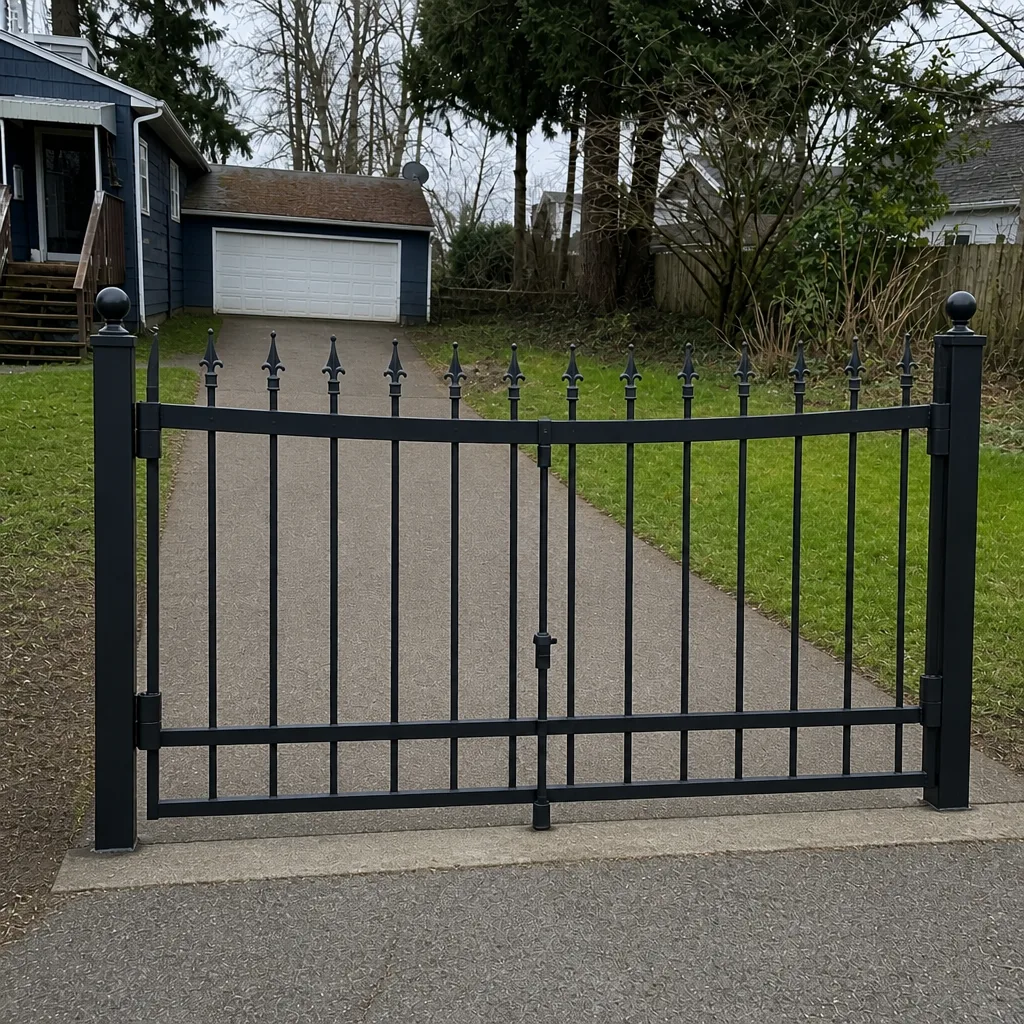
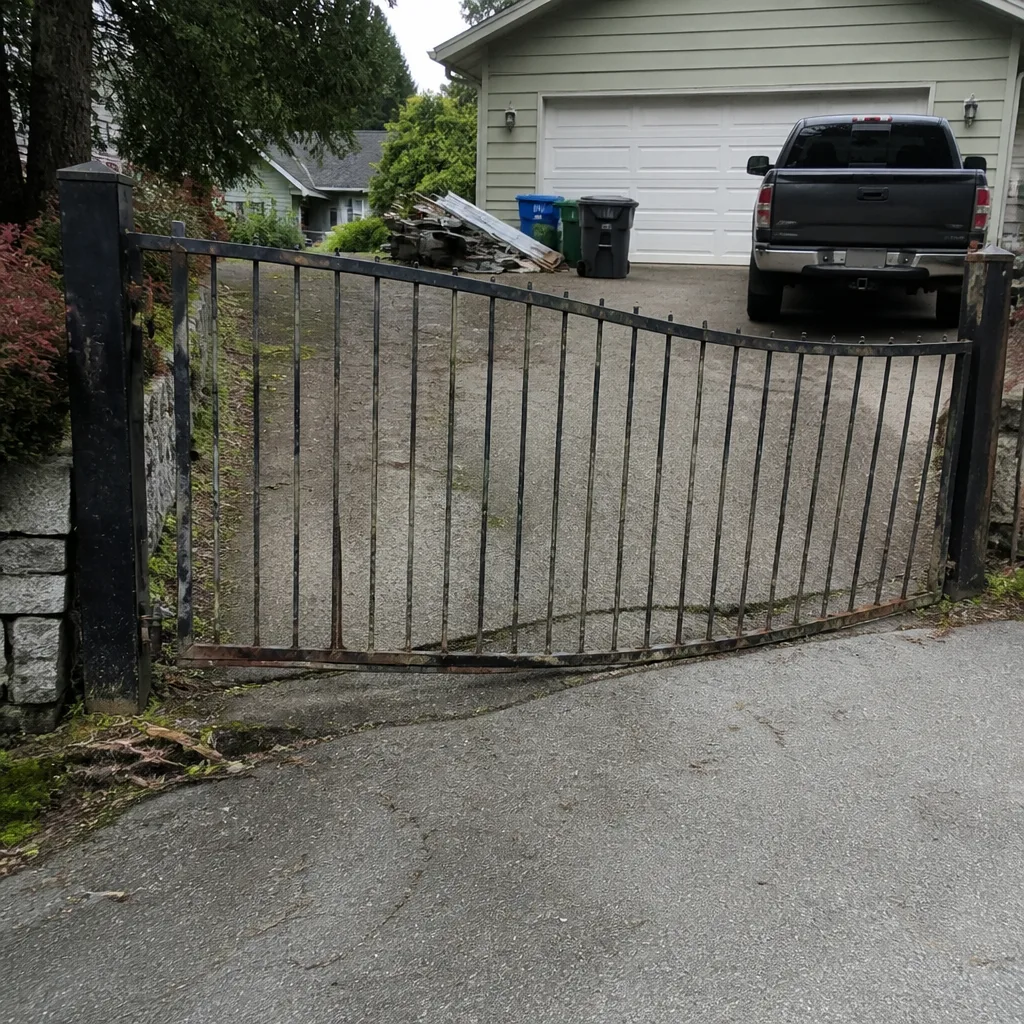
See the difference
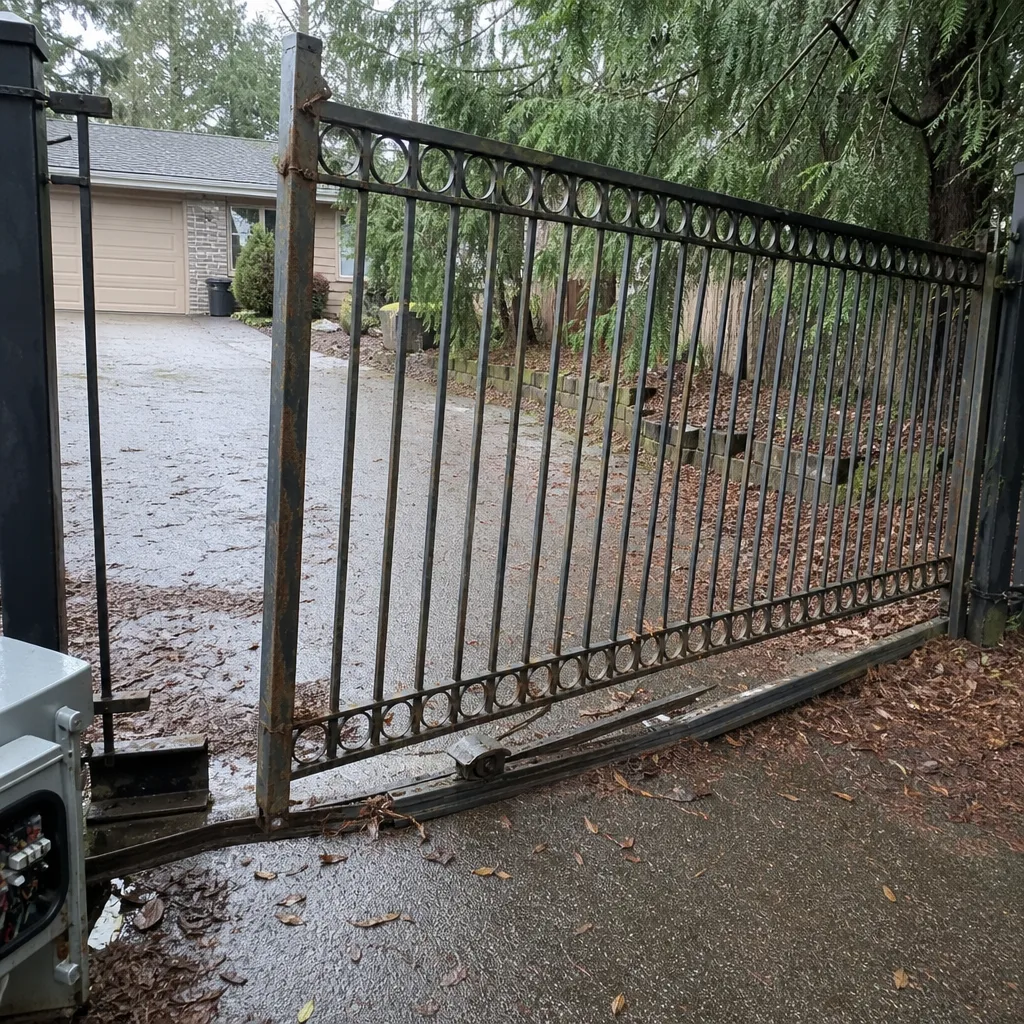 Before
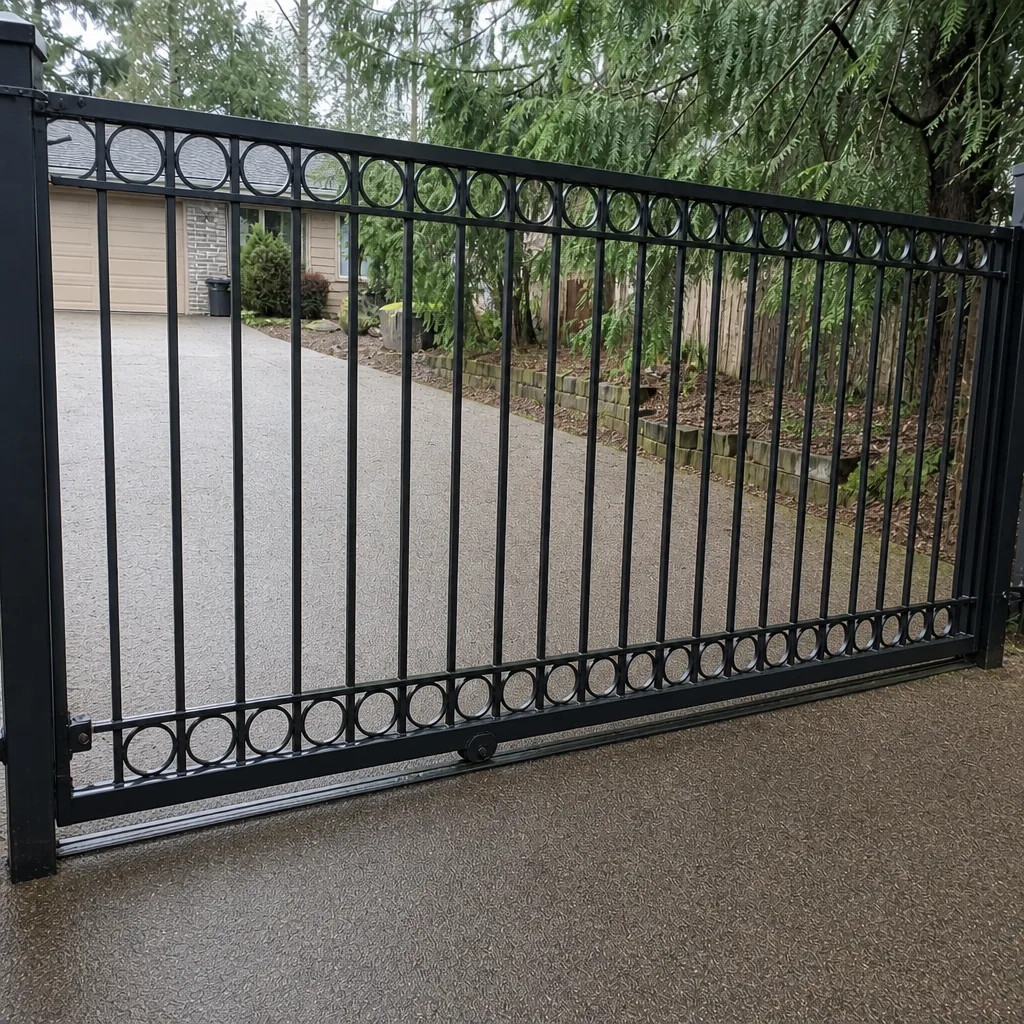 After
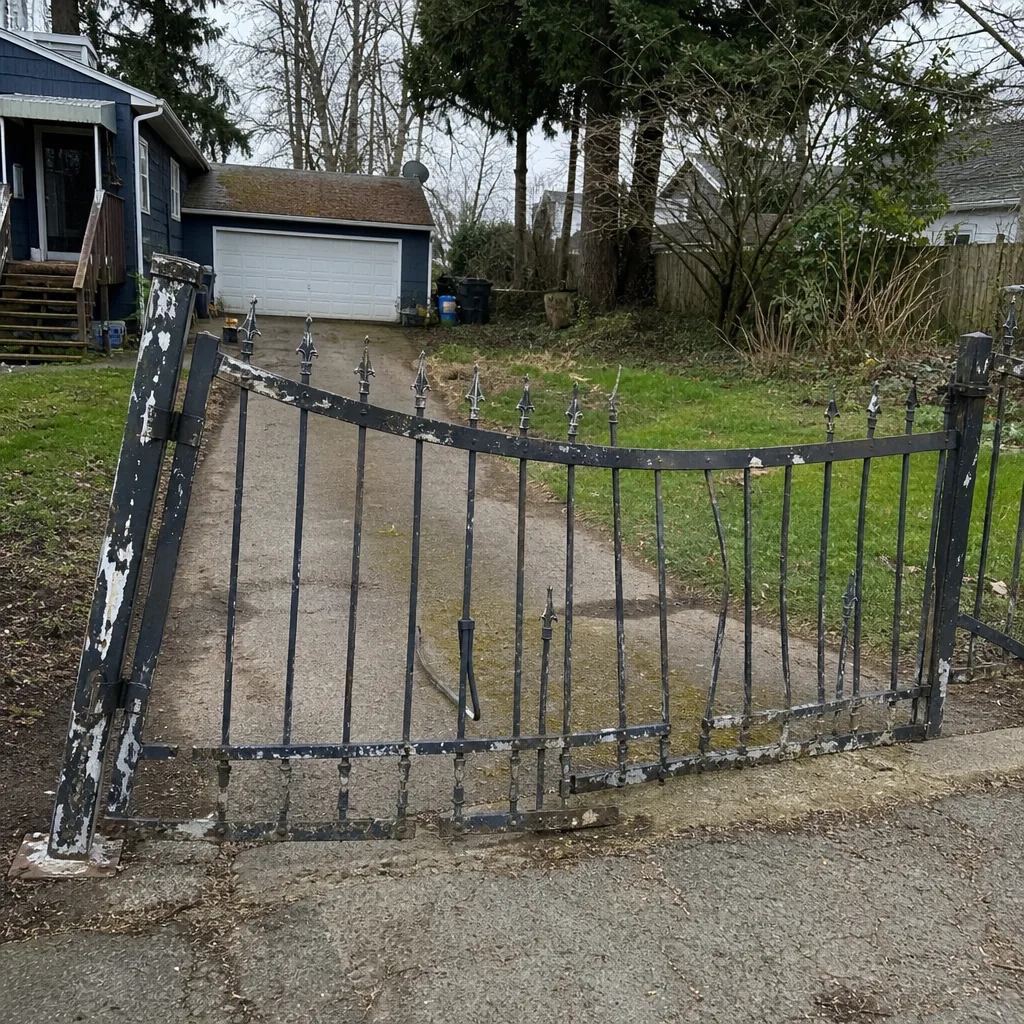 Before
 After
 Before
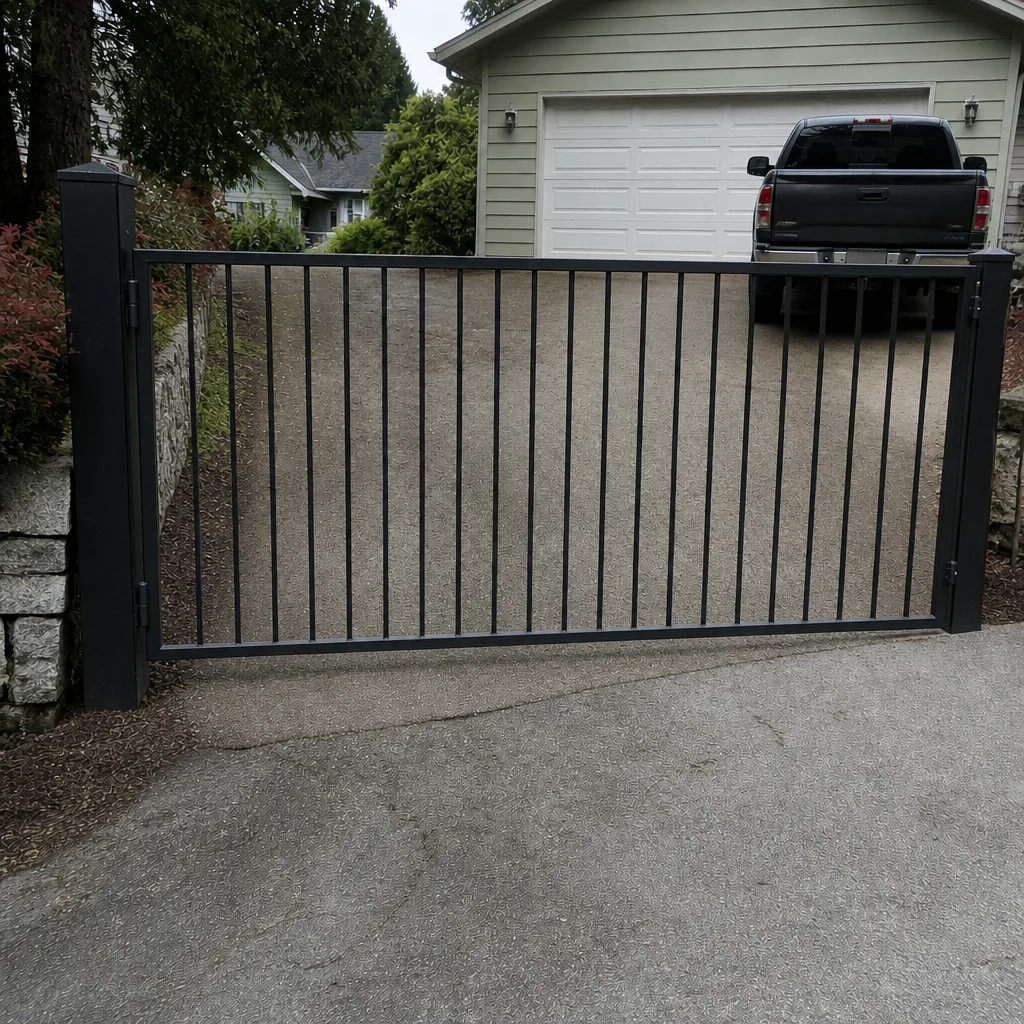 After
When to Call a Professional
Call a professional if the gate won’t move by hand after engaging the manual release, if the operator hums but doesn’t cycle the gate, if the gate reverses on itself repeatedly, if the control board has visibly failed, or if the gate is physically off its track or hanging. Leave the safety sensors and the wiring alone: photo-eye alignment and control board diagnostics look straightforward and aren’t. If the gate is secured with a temporary chain and you’re waiting for a repair, keep an eye on it, especially on an uphill driveway where a released gate can roll.
Gate Repair Renton offers free estimates in Renton. Call (866) 293-5161. Our technicians have up to 8 years of experience, and we work across the operator brands most commonly installed here, including LiftMaster, FAAC, Mighty Mule, and Elite. We answer 24/7. Fast dispatch from 7am to 7pm, Sunday through Friday.
Frequently Asked Questions
It’s usually a keyed cylinder, a pull lever, or a release pin on the operator housing. Look on the side or back of the housing, under a cover plate, or at the base of the arm on a swing operator. If you can’t find it, the operator manual for your model will show it, and having a technician walk you through it during a routine visit is worth the time.
It is a security emergency, though not always an urgent repair. If you can secure the gate with a chain and padlock, call during normal dispatch and get a same-day or next-day repair. If the gate can’t be closed at all, or if it’s on a multi-tenant property, secure it before anything else and then call. We answer 24/7. Fast dispatch from 7am to 7pm, Sunday through Friday.
That depends on the brand and the specific model. Some LiftMaster and DoorKing systems ship with battery backup, while most Mighty Mule and Ghost Controls residential units don’t unless the installer added it. Check inside the operator housing for a battery box. If there isn’t one, the gate will not cycle during a power outage and the manual release is your emergency plan.
We price each repair by written estimate, and estimates are free. The price depends on the failure (control board, actuator, sensor, or mechanical), the operator brand, and the parts needed. We confirm the price in writing before any work starts. Call (866) 293-5161 for an exact quote.
For a secured gate during dispatch hours, often yes. For a security emergency on a multi-tenant or commercial property, call first so we can talk through your access and operator brand. We can’t guarantee same-day on every repair, because some failures need a specific part. We answer 24/7. Fast dispatch from 7am to 7pm, Sunday through Friday.
Yes, when the gate is stopped and you handle the gate slowly. The manual release exists for exactly this purpose. What isn’t safe is forcing a gate that won’t move by hand after the release, or trying to bypass a safety sensor to get the gate moving again. Both can damage the system or create a hazard. If the release doesn’t move the gate cleanly, stop and call a technician.
The Bottom Line
A gate failure is a security event, not just an inconvenience, and the best-prepared households treat it that way. Know where your manual release is, test it once a year, chain your gate shut if it fails during a repair window, and keep your operator’s brand, model, and installer contact on a card you can hand to a technician. If you have battery backup, check it yearly. If you don’t, know that the manual release is your plan. And if your gate is stuck, is failing to secure, or is moving in a way that worries you, call before driving through it again. Gate Repair Renton specializes exclusively in gates, and we already know your operator brand.
Call (866) 293-5161 for a free estimate. We answer 24/7. Fast dispatch from 7am to 7pm, Sunday through Friday.
Written by the team at Gate Repair Renton.